From Scarcity to Stability: Water Project Brings Dignity and Livelihoods to Ndiorol
Access to clean and reliable water is transforming lives in Ndiorol, a rural community in southern Mauritania, where a new drinking water project is restoring dignity, improving livelihoods and strengthening resilience to climate change.
For residents like Aminettou Bouchoueim, daily life was once defined by long and exhausting journeys to fetch water from wells that frequently ran dry. “I used to fetch water from a well that was often almost dry,” she recalled. “Today, I can drink with peace of mind. This project has brought us stability, hope and dignity.”
The initiative, implemented by the African Development Bank Group in partnership with the Global Environment Facility, is part of a broader effort to enhance climate resilience in the water sector.
Despite its Atlantic coastline, Mauritania faces significant challenges in water access, particularly in rural areas where many communities lack reliable supply. Limited infrastructure and uneven distribution of water resources continue to affect public health, economic development and social stability.
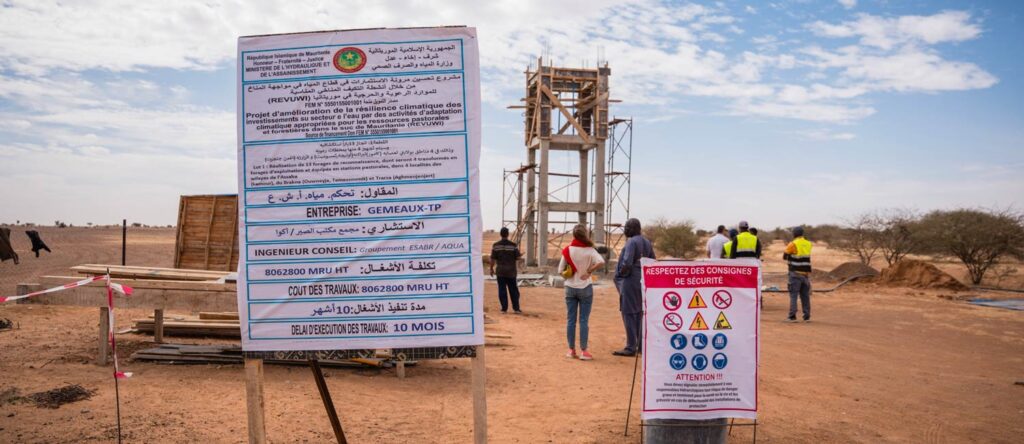
The project in Ndiorol addresses these challenges through a solar-powered water distribution system that draws from the Senegal River. It includes the construction of a water tower, a small treatment plant, and multiple supply points serving surrounding villages such as Aroua and N’Diakré. More than 60 households are now connected to the network.
Beyond household access, the project has introduced water storage systems for agriculture and livestock, along with retention basins to support sustainable water management. It also incorporates climate adaptation measures such as tree planting and sand dune stabilisation.
Local communities have been trained in the operation and maintenance of the infrastructure, ensuring long-term sustainability and local ownership of the system.
The impact extends beyond water access. More than 25 women in the community have begun agricultural activities, producing vegetables for both household consumption and local markets. The initiative has improved food security while enhancing women’s financial independence.
“This project has a huge impact. It’s not just that we can drink – we can also produce food,” said Aminettou.
Project beneficiaries have also highlighted the logistical challenges involved, including transporting equipment across difficult terrain and installing solar-powered systems in remote areas.
According to project manager Alba Serna, water security is central to building resilience in vulnerable regions. “We are mobilising water resources for domestic and economic needs. Water security is a key element in building resilience to climate change,” she said.