UNICEF Urges Action on Education, Health and Safety for Adolescent Girls in ESA
Following International Women’s Day, UNICEF Eastern and Southern Africa has emphasised that supporting adolescent girls remains one of the most effective ways to strengthen communities, promote sustainable development, and improve societal outcomes across the region.
The region continues to face some of the world’s highest rates of maternal mortality, adolescent pregnancy, HIV, and gender-based violence, all of which disproportionately affect adolescent girls. Behind these statistics are girls making crucial decisions about their health, education, and safety.
UNICEF outlined a five-point plan proven to improve outcomes for adolescent girls and society at large: addressing violence both on paper and in practice; sharing knowledge to enhance collective power; promoting maternal and child health; treating men and boys as allies; and investing in adolescent girls to yield high returns across generations.
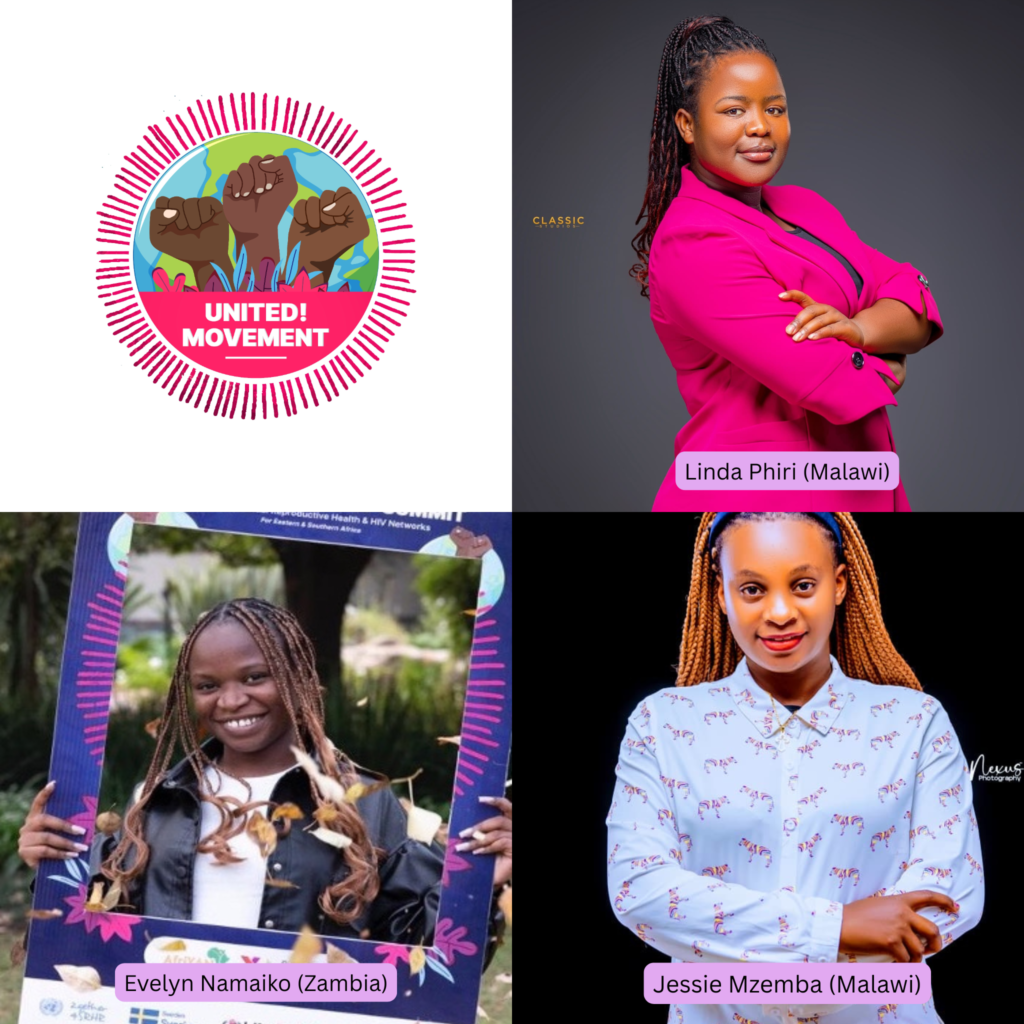
Young leaders are driving change across the region. Linda Phiri from Malawi, founder of Girl Power for Change Malawi, engages young women in making sanitary pads while fostering discussions on sexual violence, mental health, and access to justice.
She emphasises that “our past does not define us… by lifting each other, we can create stronger communities and a brighter future.”
In Zambia, Evelyn Namaiko of the UNITED! Movement advocates for youth-led reform in sexual and reproductive health services. “Africa is a young continent, and youth leadership is essential for progress,” she said, highlighting the importance of giving girls dignity, opportunity, and a voice in decisions affecting their lives.
From Uganda to South Africa, activists including Munnira Afrikana Katongole, Jerop Limo, and Sheirat Namayanga campaign against femicide, child marriage, and unsafe conditions, pushing for policies that protect girls and provide education and opportunities for empowerment.
Adolescent girls continue to face multiple barriers, including poverty, gender inequality, limited access to education, stigma surrounding HIV and disabilities, and unfriendly health services. These challenges interrupt education, limit economic independence, and affect mental and physical health, creating long-term disadvantages.
UNICEF stresses that governments, communities, and families must take tangible action to protect and empower girls. Jessie Mzemba from Malawi states: “Investing in girls’ rights is essential for sustainable development. Policies must go beyond promises and ensure girls have access to education, health services, and protection from violence.”
Communities can support girls by keeping them in school, creating safe spaces, mentoring, preventing child marriages, and involving men and boys in gender equality initiatives. Engaging parents, teachers, and traditional leaders is critical to changing societal norms and empowering girls to pursue their dreams.
“To every young girl across Africa: your voice matters, your dreams are valid, and your future is powerful,” says Jessie Mzemba. Evelyn Namaiko adds: “You have the power to be anything you want to be. Your future is beyond what society expects of you. You can change the world.”