
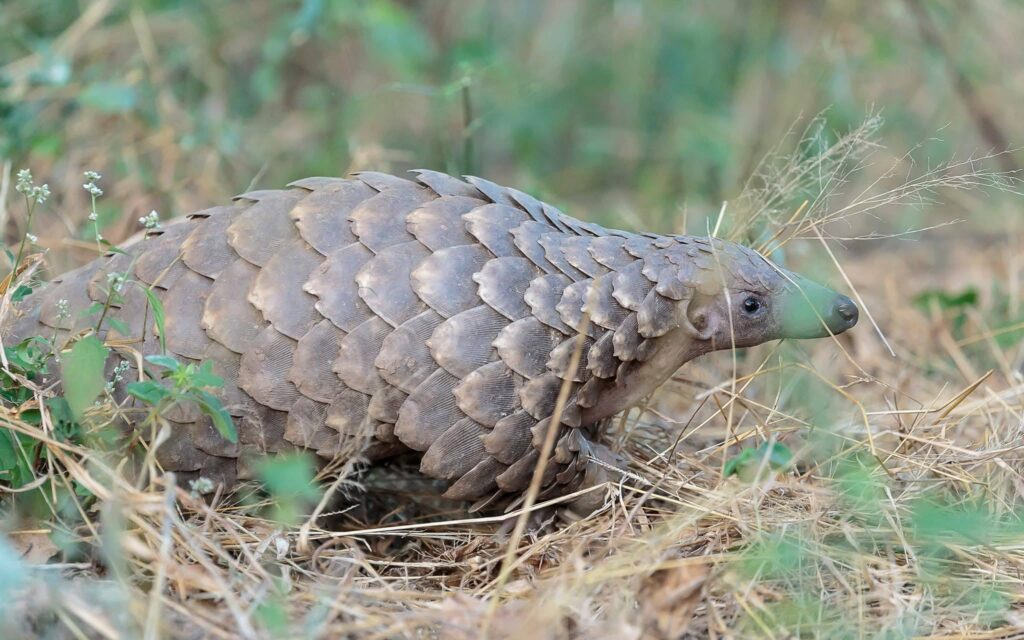
Ministry of Tourism Warns Public Against Rising Illegal Pangolin Trade
The Ministry of Tourism, through the Department of National Parks and Wildlife (DNPW), has raised concern over the increasing number of arrests linked to the illegal trade in pangolins and their products, warning the public against engaging in wildlife crime.
According to DNPW records, a total of 154 pangolin-related arrests were made between January 2024 and December 2025. During this period, authorities recovered 65 live pangolins, eight dead pangolins, and 14 pangolin skins, underscoring the growing threat posed to Zambia’s biodiversity.
Zambia is home to two pangolin species, the Temminck’s ground pangolin and the White-bellied tree pangolin. The species are classified as vulnerable and endangered respectively and are protected under both national legislation and international conservation agreements.
The Ministry expressed concern that criminal networks are increasingly targeting individuals from all sectors of society, including rural communities, to participate in illegal wildlife activities.
Members of the public have been strongly cautioned against the capture, possession, sale, purchase, transportation or export of pangolins and their derivatives, including scales, meat, skins and nails.
Under Zambia Wildlife Act No. 14 of 2025, Section 130 (1), any person convicted of dealing in protected wildlife species faces a custodial sentence of not less than five years and not exceeding ten years, without the option of a fine.
The Ministry has urged citizens to take proactive steps to support wildlife protection, including reporting individuals seeking assistance to locate or trade in pangolins to the nearest DNPW office or Police Station.
Members of the public have also been advised not to disturb pangolins in their natural habitats within National Parks, Game Management Areas and forest reserves, but instead to report such sightings to DNPW.
The Ministry further advised against collecting pangolins or their products for sale, traditional medicine or any other purpose. In cases where a pangolin is rescued to save its life, it must be handed over to the nearest DNPW office within 24 hours.
Reaffirming its commitment to protecting Zambia’s wildlife heritage and promoting sustainable tourism, the Ministry said pangolins play a critical role in maintaining ecological balance and that their survival is essential for future generations.
The statement, issued by Nelly Banda, Principal Public Relations Officer at the Ministry of Tourism, called on the public to work closely with Government and law enforcement agencies to combat illegal wildlife trade and safeguard Zambia’s natural heritage.