SADC Tourism Ministers Review UNIVISA Progress and Regional Tourism Reforms
Ministers responsible for tourism from the Southern African Development Community (SADC) have held a virtual meeting to assess progress on key regional tourism initiatives and to provide strategic guidance to the SADC Secretariat on the coordinated implementation of agreed programmes.
The Ministerial meeting, chaired by the Republic of South Africa in its capacity as the current Chair of SADC, was convened on 10 February 2026. It focused on reviewing progress under the SADC Tourism UNIVISA pilot project and deliberating on the conclusion of the winding-up process of the Regional Tourism Organisation of Southern Africa (RETOSA).
The meeting was attended by Ministers or their representatives from Angola, Botswana, the Democratic Republic of Congo, Eswatini, Lesotho, Madagascar, Malawi, Mozambique, Namibia, Seychelles, South Africa, the United Republic of Tanzania, Zambia and Zimbabwe. Also in attendance was the SADC Deputy Executive Secretary for Regional Integration, Ms Angele Makombo N’tumba.
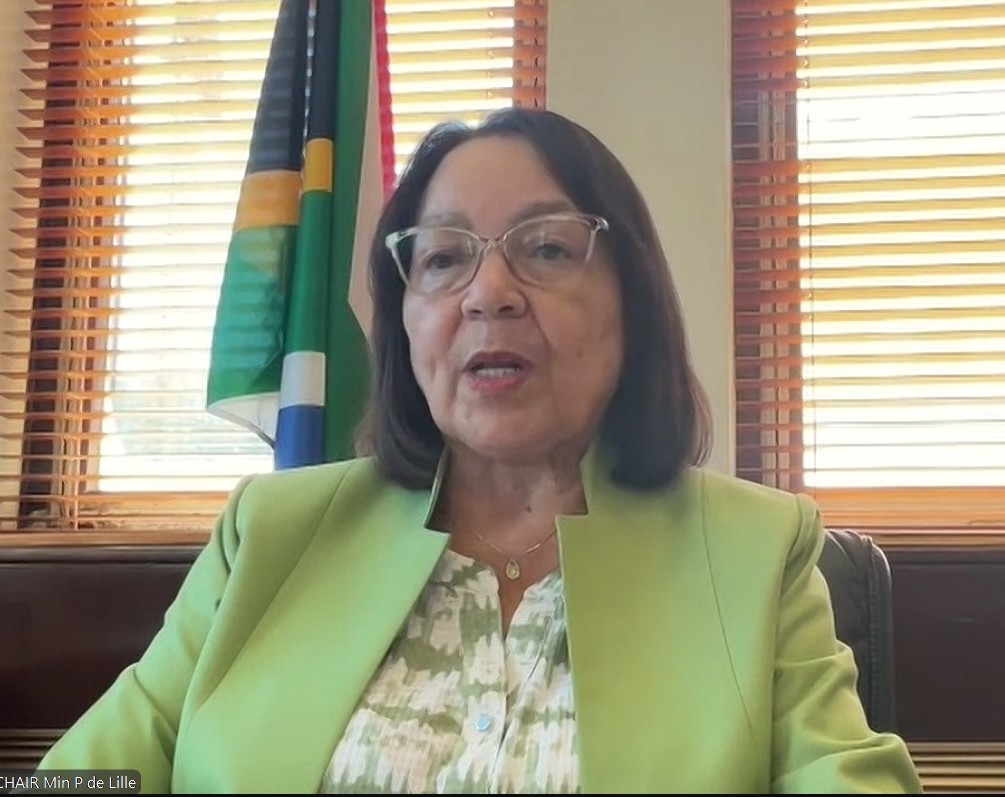
Delivering the official opening remarks, South Africa’s Minister of Tourism and Chairperson of the Committee of SADC Ministers Responsible for Tourism, Honourable Patricia de Lille, highlighted the strategic importance of the SADC Tourism UNIVISA in strengthening regional tourism integration.
She emphasised the need to bring the RETOSA winding-up process to a conclusion in order to streamline regional tourism governance structures.
In her welcome remarks, Ms N’tumba underscored the importance of endorsing the Draft Agreement establishing the SADC Tourism UNIVISA and finalising the closure of RETOSA. She described the UNIVISA as a priority and transformative initiative capable of reshaping tourism across the region.
According to the Deputy Executive Secretary, the UNIVISA aims to simplify travel procedures and reduce barriers to entry, thereby enhancing destination competitiveness, promoting multi-country travel, increasing the length of visitor stays and unlocking broader economic benefits for SADC Member States.
The meeting reaffirmed Member States’ collective commitment to tourism as a key driver of inclusive economic growth, employment creation and deeper regional integration.
Ministers reiterated their support for the objectives of the SADC Treaty of 1992, the SADC Protocol on the Development of Tourism of 1998, as revised in 2009 and 2022, and the implementation of the strategic priorities outlined in the SADC Tourism Programme 2020–2030.