Mozambique Strengthens Leather Industry to Create Jobs and Drive Regional Growth
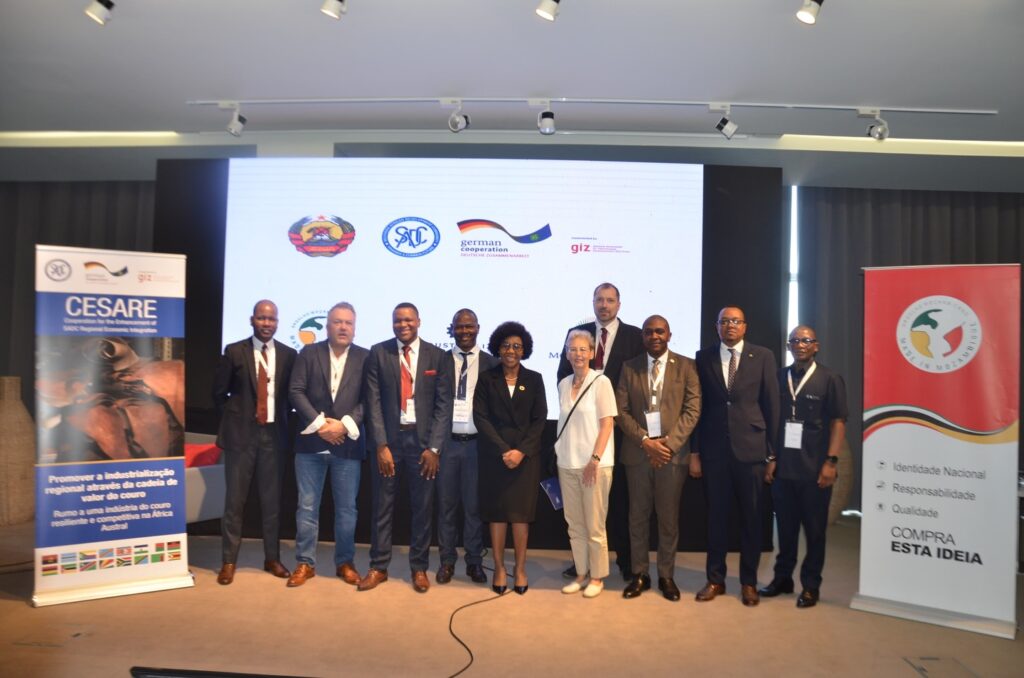
A two-day National Stakeholder Workshop for the Development of the National Strategic Work Plan for Leather commenced today in Maputo, Mozambique, with calls for accelerated efforts to bolster the leather value chain, create jobs, and promote sustainable economic development.
The workshop is convened by the Southern African Development Community (SADC) and the Government of Mozambique, with support from the German Government through the GIZ Cooperation for the Enhancement of SADC Regional Economic Integration (CESARE III) Programme.
Her Excellency Dr Custódia Paunde, Secretary of State of the Ministry of Economy, opened the workshop, highlighting the importance of a coordinated effort to transform Mozambique’s leather industry into a competitive sector capable of generating employment and driving sustainable growth.
“By strengthening production, local processing, and the competitiveness of the leather sector and its products, Mozambique is positioned to take full advantage of regional, continental, and international integration, transforming leather into a strategic export product that generates employment, added value, and sustainable industrial development,” Dr Paunde said.
The initiative forms part of Mozambique’s domestication of the SADC Regional Model Policy Framework for the Leather Sector. Mr Farai Manhanga, Programme Officer for Value Chains at the SADC Secretariat, emphasised that Regional Value Chains provide a practical route for economies to move up the value ladder, expand productive capacity, and deepen cross-border trade and investment, creating jobs and resilient industries.
He urged participants to produce high-impact recommendations and propose reforms and investments that can strengthen Mozambique’s leather sector while enhancing regional trade.
“A Strategic Work Plan that is focused, time-bound, and owned by institutions and the private sector will become an implementation tool that unlocks jobs, value addition and competitiveness,” Mr Manhanga said.
Christine de Barros Said, Head of Cooperation at the German Embassy in Mozambique, noted the immense potential of the leather industry to drive economic development across the SADC region.
She reaffirmed Germany’s support for the domestication of the SADC Leather Model Policy in Mozambique and the Democratic Republic of Congo, aiming to create a more competitive and integrated regional leather value chain.
Participants include representatives from Ministries responsible for Economy, Industry, Trade and Agriculture in Mozambique, the SADC Secretariat, cooperating partners, non-governmental organisations, and private-sector stakeholders. By the close of the workshop, attendees are expected to identify policy and regulatory gaps, map best practices, and validate a feasible Strategic Plan for Leather in Mozambique.