Global Experts Gather in Zambia to Improve Health Outcomes
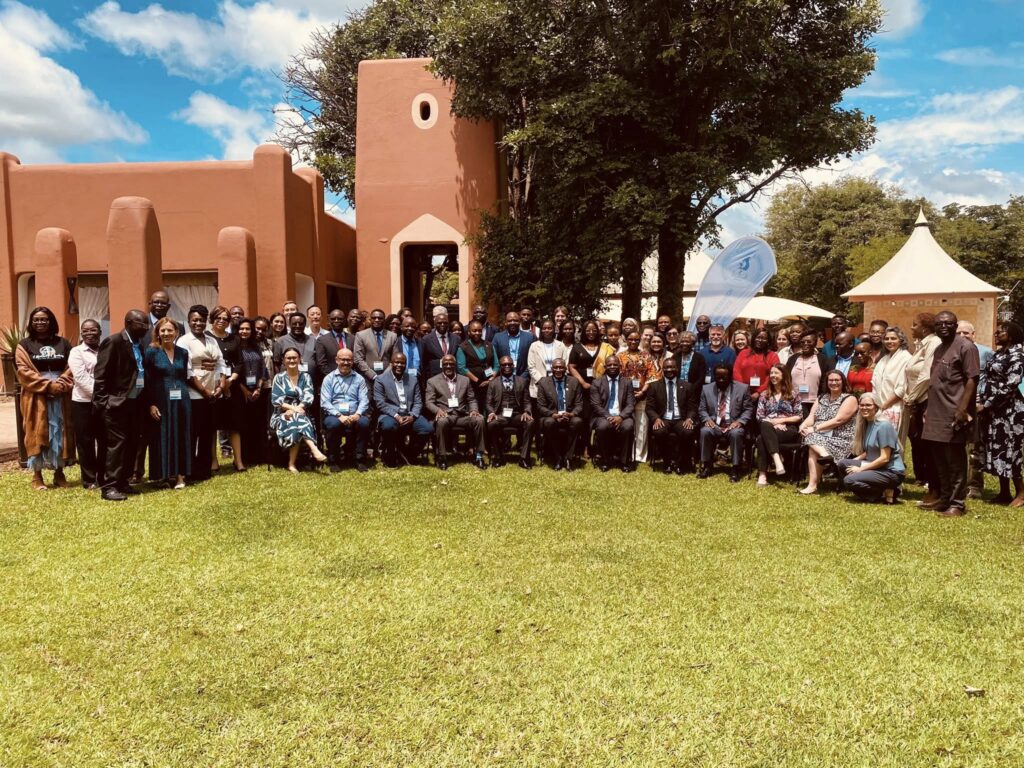
The Government of the Republic of Zambia is hosting the National Cancer Institute (NCI)–National Institutes of Health (NIH) Global Implementation Science Consortium Meeting, bringing together international and local researchers, policymakers, and health professionals.
Opening the meeting on behalf of the Ministry of Health, Permanent Secretary – Technical Services, Dr Kennedy Lishimpi, said Zambia is honoured to host the global forum, which focuses on translating research evidence into practical health solutions.
Dr Lishimpi highlighted the critical role of implementation science in strengthening health systems, ensuring that policies and guidelines are grounded in evidence to support efficient, equitable, and responsive health service delivery.
He emphasised the need to address the disproportionate burden of HIV and cancer, particularly cervical cancer among girls and women living with HIV, citing challenges such as treatment adherence, late diagnosis, and unplanned treatment interruptions.
“Implementation science guides where, when, and how interventions should be deployed for maximum impact,” Dr Lishimpi said, noting its role in improving vaccination uptake, community outreach, disease monitoring, and cost-effective resource use.
The Permanent Secretary also praised collaborative approaches among NCI-funded research teams, stressing that shared learning reduces duplication, strengthens partnerships, and enhances the relevance of research for policy and service delivery.
Participants include representatives from the NIH, NCI, Population Council-Zambia, Cancer Diseases Hospital, National Health Research and Training Institute, Arthur Davison Children’s Hospital, National HIV/AIDS/STI Council, Zambia National Health Research Authority, and other institutions.
Dr Lishimpi officially declared the meeting open, expressing optimism that the discussions will bridge the gap between research and implementation, ultimately improving health outcomes in Zambia and beyond.