
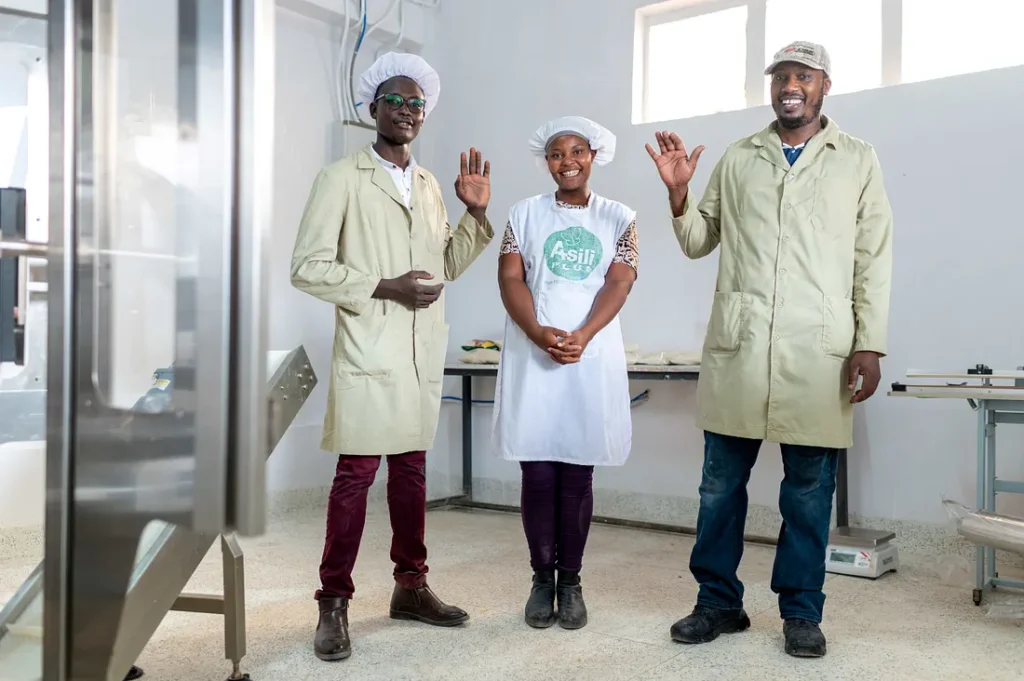
Youth in Africa and Asia Could Drive Global Agribusiness Growth, Experts Say
Young people in Africa and Asia are being hailed as a key force in transforming the world’s agribusiness sector, as global leaders gather at the 2026 World Economic Forum to discuss opportunities in food systems, employment, and entrepreneurship.
Approximately 90% of the world’s youth live in developing regions, with over 1.2 billion people under 30. In sub-Saharan Africa, 70% of the population is under 30, and the continent’s median age is just 19, compared to 45 in the European Union. Asia, home to more than 60% of the world’s population, hosts the largest number of young people globally.
Despite this demographic potential, millions of young people enter the workforce each year without finding stable or decent jobs. Experts point to agribusiness as a sector with immense potential to generate employment and foster entrepreneurship, spanning farming, food processing, logistics, retail, and digital marketplaces. Currently, around 1.23 billion people work in agrifood systems worldwide, with 44% of working youth dependent on these systems for employment.
However, young entrepreneurs face several challenges, including negative perceptions of agriculture, limited access to land and finance, skills mismatches, poor infrastructure, and difficulties entering formal markets.
“There is huge untapped potential in youth-led agribusinesses, but barriers must be addressed to turn opportunity into real jobs and growth,” said Penjani Mkambula, Chief Technical Officer at the Global Alliance for Improved Nutrition (GAIN).
Innovative solutions are already emerging. Mobile agri-credit platforms, WhatsApp marketplaces, and public-private partnerships are helping young people navigate the sector. Programmes like Tanzania’s Building a Better Tomorrow – Youth Agribusiness Development Initiative aim to empower over 11,000 youth entrepreneurs, including at least 40% women, creating an estimated 150,000 direct and indirect jobs within five years.
Experts have outlined six priorities to fully harness youth potential in agribusiness: finance that matches youth realities, youth-centred value chains, practical skills development, investment in rural infrastructure, policy and land reforms, and data-driven decision making.
With Africa’s population projected to reach 2.5 billion and Asia’s 5.3 billion by 2050, the two regions could become the global engine of food production, innovation, and trade — but only if intentional investment is made in youth-led enterprises.
“Youth are not a problem to be solved. They are the solution to building sustainable, nourishing, and inclusive food systems,” Mkambula added.
The call comes as the World Economic Forum continues to explore how the next generation of agripreneurs can help tackle global food insecurity, create jobs, and drive resilient economic growth.