African Nations Step Up Contributions as ADF-17 Replenishment Opens in London
African countries have made history by significantly increasing their financial commitments to the African Development Fund (ADF), signalling a shift towards greater continental ownership of Africa’s development agenda.
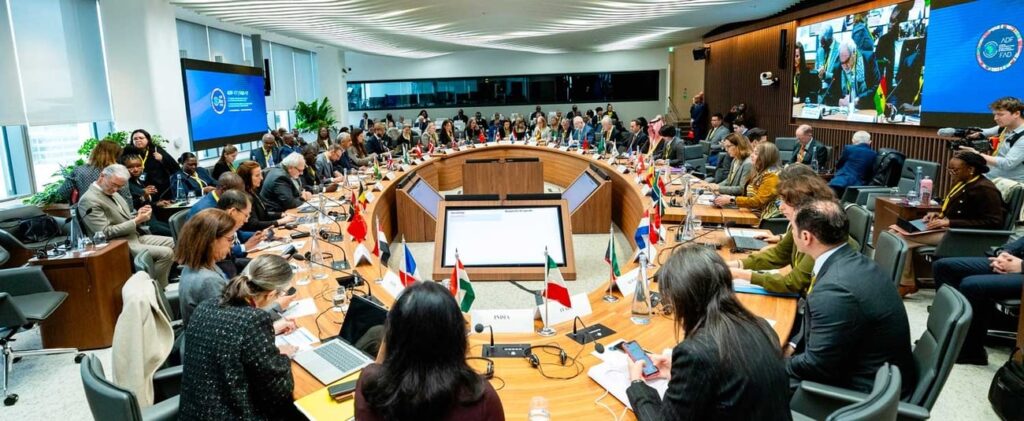
The final pledging meeting for the 17th replenishment of the African Development Fund (ADF-17) opened in London on Monday, marked by an unprecedented surge in contributions from African nations. The number of African countries making pledges has more than tripled compared to previous financing cycles, alongside a substantial rise in the overall size of contributions.
Welcoming the development, African Development Bank Group President, Dr Sidi Ould Tah, described the response as “without precedent”, noting that it reflects a growing determination by African countries to co-invest in their own future.
“They send a clear signal: Africa is not only a beneficiary of the ADF; it is a co-investor in its own future,” Dr Ould Tah said.
The African Development Fund, the concessional financing arm of the African Development Bank Group, supports the continent’s most vulnerable countries through grants and low-interest loans. Since its establishment in 1972, the Fund has invested nearly US$45 billion in critical sectors including infrastructure, agriculture, energy, water, health and education.
Despite ongoing global financial pressures, development partners and African countries have sustained and in some cases strengthened their support for the Fund’s transformative impact.
Leading his first ADF replenishment since assuming office, Dr Ould Tah emphasised that the process represents investment rather than aid, highlighting the Fund’s strong leveraging power.
“Each dollar invested in the African Development Fund unlocks more than US$2.50 in co-financing and private capital,” he said.
ADF-17 also marks the beginning of a new financing era aligned with the Bank’s “Four Cardinal Points” agenda, which focuses on expanding access to capital, rebuilding Africa’s financial sovereignty, harnessing the continent’s demographic dividend, and delivering resilient infrastructure.
“The future of the African Development Fund starts here,” Dr Ould Tah affirmed, pointing to innovations such as the Market Borrowing Option, designed to strengthen the Fund’s sustainability and long-term impact.
The meeting, co-hosted by the United Kingdom and Ghana, drew strong political backing. UK Minister of State for International Development, Baroness Jenny Chapman, reaffirmed Britain’s continued support for the Fund, while Ghana’s Deputy Minister of Finance, Thomas Nyarko Amprem, described the ADF as a “strategic instrument” for reducing vulnerability across the continent and urged partners to increase contributions.
Further support came from multilateral partners. Abdullah Almusalbeeh, President of the Arab Bank for Economic Development in Africa (BADEA), announced plans to begin co-financing cooperation with the ADF.
Meanwhile, Ludovic Ngatsé, Chairman of the Board of Governors of the African Development Bank Group and Congo’s Minister of Economy, Planning and Regional Integration, praised the positive impact of ADF-16 and called for stronger commitments under ADF-17.
Hosting the meeting at its headquarters, Odile Renaud-Basso, President of the European Bank for Reconstruction and Development (EBRD), said the gathering demonstrated how multilateral development banks can work together effectively to address global development challenges.
The ADF-17 replenishment will finance the Fund’s operations over the next three years, with expectations that the current momentum will translate into increased resources to support inclusive growth, stability and resilience across Africa.