SOSCHI Conference Calls for Stronger Climate–Health Indicators to Safeguard Communities
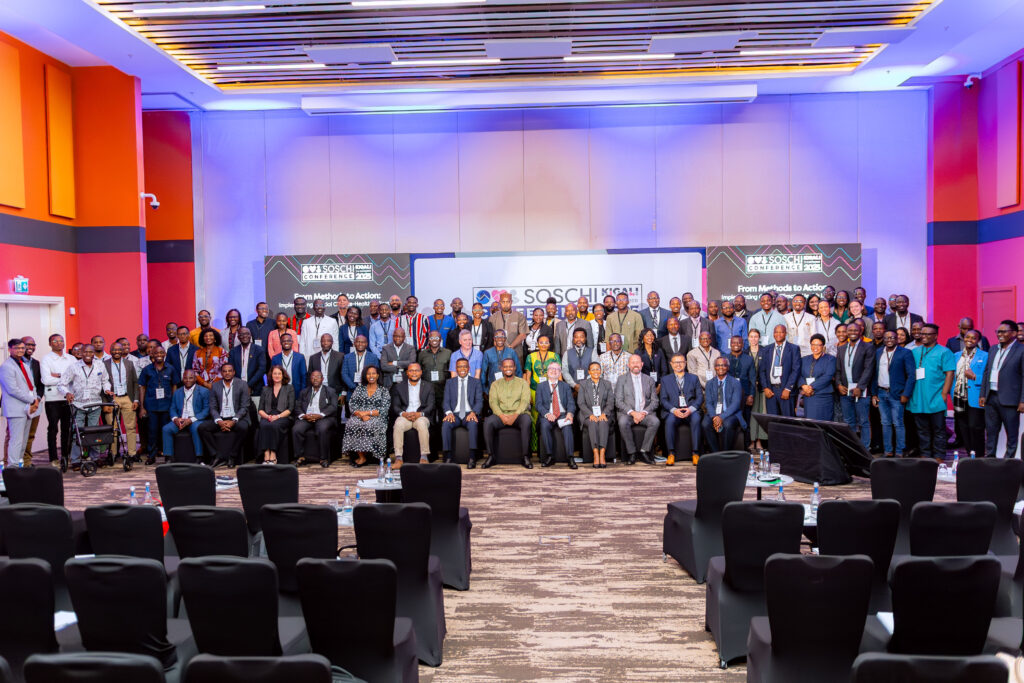
Officials, scientists, development partners, and representatives from 23 African countries have called for strengthened climate–health intelligence to better guide policy and protect communities. The call followed three days of discussions at the Standards for Official Statistics on Climate–Health Interactions (SOSCHI) Conference, held in Kigali from 3 to 5 December 2025.
Delegates emphasised that African countries will remain highly vulnerable to climate hazards unless robust systems are established to measure how climate change affects human health. Current data collection efforts are often fragmented, limiting the ability to quantify risk and direct resources effectively.
The joint communiqué adopted at the conference highlighted the urgent need for harmonised, comparable indicators to inform preparedness, policy-making, and targeted interventions. Key areas of focus include extreme weather events, water-related diseases, vector-borne diseases, and mental health. Participants stressed that climate–health monitoring must move beyond short-term projects and rely on sustainable domestic funding, skilled personnel, and long-lasting systems.
Technical demonstrations from Rwanda, Ghana, and the UK illustrated the potential of SOSCHI indicators. Rwanda’s analysis showed spatial shifts in malaria risk linked to temperature and rainfall changes, while Ghana’s findings tracked diarrhoeal diseases, air pollution, and heat-related mortality over time. These examples underscored the value of harmonised indicators in shaping evidence-based adaptation strategies.
The conference concluded with a shared commitment to embed SOSCHI indicators into national statistical systems. The communiqué called on national statistical offices, health ministries, research institutions, and funders to collaborate in delivering validated climate–health metrics that strengthen resilience and safeguard population health.
Delegates noted that Africa, while experiencing some of the most immediate impacts of climate change, is also contributing to global standards for climate–health action. The Kigali meeting represents a significant step towards building the intelligence needed for a safer and more resilient future.