New Energy Reforms Aim to Improve Electricity Supply and Attract Investment
Zambia has convened a high-level national dialogue aimed at driving urgent reforms in the energy sector to improve electricity supply, strengthen governance and attract investment.
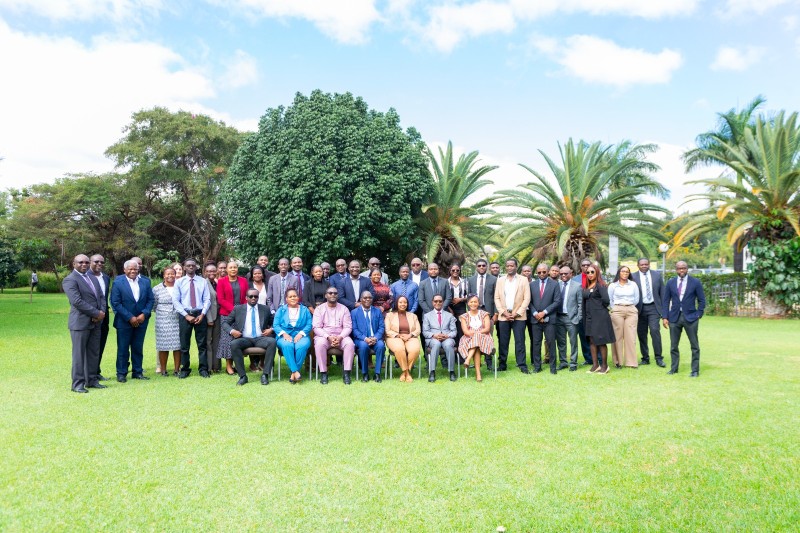
The dialogue, organised by the Centre for Trade Policy and Development (CTPD) in partnership with the Ministry of Energy, with support from Diakonia and Energy for Growth Hub, brought together key stakeholders from government, industry, civil society, academia and the media.
Speaking at the official opening, Permanent Secretary for Electricity, Arnold M. Simwaba, emphasised the central role of the energy sector in driving economic growth and industrialisation.
However, he noted that the sector continues to face persistent structural challenges, including supply constraints, financing gaps and weak institutional performance.
Held under the theme “Strengthening Transparency, Accountability and Investment for a Resilient and Sustainable Electricity Sub-Sector”, the meeting focused on charting a path towards a more reliable and sustainable electricity system.
Participants included major industry players such as ZESCO, Energy Regulation Board (ERB), and Copperbelt Energy Corporation (CEC).
Eng. Simwaba reaffirmed the Government’s commitment to expanding electricity generation capacity and achieving universal access to power by 2030.
He said key priorities include identifying policy and institutional gaps, strengthening governance and efficiency, investing in critical generation and transmission infrastructure, and unlocking financing mechanisms to attract private sector investment.
Earlier, CTPD Executive Director, Isaac Mwaipopo, urged the Government to accelerate the implementation of ongoing reforms to maximise the benefits of investments in the sector.
He also stressed the importance of establishing a balanced regulatory framework that protects investors while safeguarding public interest and promoting participation by local players.
Zambia’s energy sector has come under increasing strain due to rising electricity demand, climate-related shocks affecting hydropower generation, and the need to diversify energy sources.