
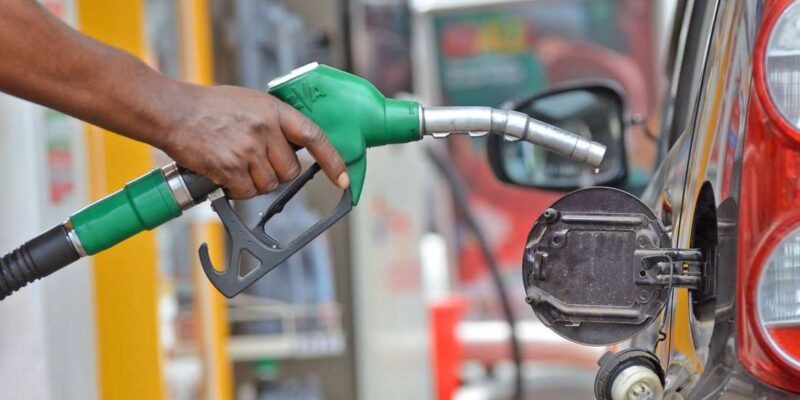
Zambia on the Move: Fuel Hikes Hit Pockets and Prices
The latest fuel price revision reflects a strong cost-push shock within Zambia’s price system. Petrol increased from K26.61 to K27.15 with a margin of about +K0.54, representing 2.0%, diesel from K23.25 to K29.78 (+K6.53, 28.1%), and kerosene from K21.06 to K32.26 (+K11.20, 53.2%).
While the petrol increase is modest, the sharp surge in diesel and kerosene has widespread economic implications.
Diesel is always considered a basic factor and the backbone of transport, agriculture and industrial production, so a 28.1% increase will directly transmit higher costs across supply chains.
Transport fares and logistics costs are expected to rise by 10–20%, directly affecting food prices and overall inflation. Kerosene’s 53.2% jump hits low-income households hardest, reducing disposable income and increasing the cost of daily essentials.
For businesses, operating expenses will rise, tightening profit margins.
Higher fuel import costs will also pressure the Kwacha, raising the risk of further price adjustments and inflationary pressures.
On the policy front, the adjustment highlights the need for energy diversification, fuel-efficiency improvements, targeted support for vulnerable households, and strategic price-stabilisation measures.
In essence, this fuel price adjustment is more than a sectoral issue; it is a broad economic shock affecting households, businesses and macroeconomic stability, underscoring the urgency for coordinated policy and structural reforms.