Kalusale Clean-Up Brings Safe Water and Restored Livelihoods to Zambians
Government has officially launched a comprehensive clean-up, remediation and restoration programme targeting areas affected by pollution linked to Sino Metals Leach Zambia Limited in the Copperbelt Province.
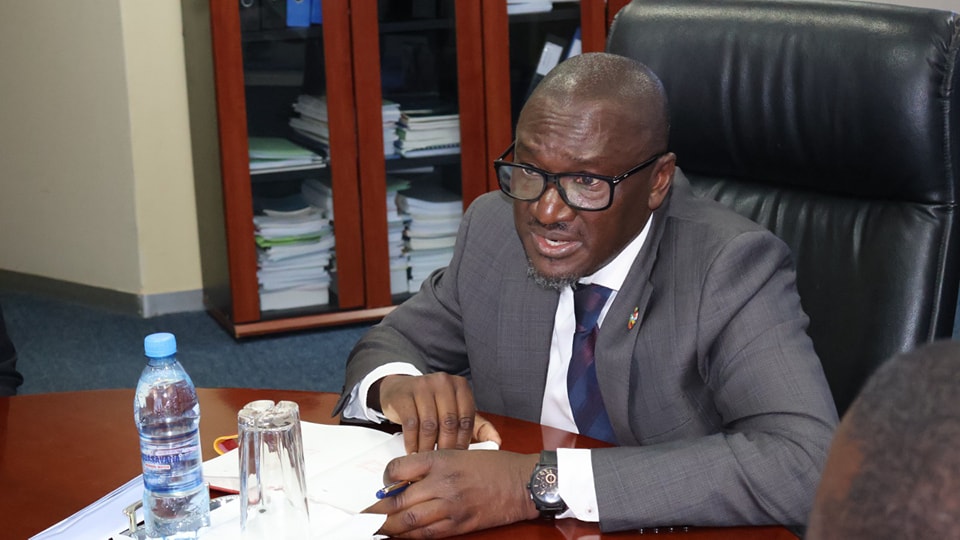
Minister of Water Development and Sanitation, Collins Nzovu, officiated at the launch, describing the intervention as a critical step towards safeguarding water resources, public health and livelihoods.
The programme follows the breach of Tailings Dam Number 15 on 18 February 2025, which released acidic waste into the Chambeshi Stream, Mwambashi River and eventually the Kafue River, causing widespread environmental damage.
“This is not a routine exercise,” Mr Nzovu said. “It is about protecting our water resources, securing livelihoods and preserving the well-being of our people.”
A Government-led, science-based assessment coordinated by the Zambia Environmental Management Agency, the Water Resources Management Authority and the Minerals Regulation Commission established that while uranium levels posed no radiological threat, significant contamination was recorded in water, soil and sediments.
The findings revealed elevated levels of heavy metals such as copper, cobalt, manganese, cadmium and lead, alongside serious ecological damage affecting aquatic life and vegetation. Agricultural productivity has also been impacted, with contamination detected in produce from hotspot areas.
Mr Nzovu noted that prior to the official launch, the mining firm had implemented interim mitigation measures under regulatory directives. These included stabilising the damaged tailings dam, constructing drainage systems to contain contaminated runoff, and treating acidic soils through liming. Additional steps such as tree planting and desludging of affected streams were also undertaken.
Despite these efforts, the Minister stressed that long-term restoration was essential, citing the extensive environmental and socio-economic impact on communities in Kalusale and surrounding areas, where access to safe water, farming and fishing activities have been disrupted.
Following the assessment, ZEMA issued an Environmental Restoration Order on 30 December 2025, compelling the company to undertake full-scale remediation under strict supervision. The company has since engaged contractors to implement the programme, which begins immediately.
The clean-up will focus on restoring key water bodies, including the Chambeshi Stream, Mwambashi River and the Kafue River—critical resources for domestic use, agriculture, industry and biodiversity.
Key interventions will include water quality restoration through pH correction, removal and safe disposal of contaminated sediments, soil rehabilitation, and the restoration of aquatic ecosystems, including fish restocking. Continuous environmental monitoring will also be enforced to ensure compliance.
Government has further outlined long-term measures such as groundwater assessments, wetland reconstruction, strengthened pollution monitoring systems and enhanced legal frameworks governing tailings management.
Mr Nzovu underscored that accountability remains central to the programme, warning that full compliance by Sino Metals Leach Zambia Limited is mandatory.
“Environmental compliance is not optional,” he said. “Government will maintain strict monitoring and enforcement to ensure this process is conducted properly, scientifically and sustainably.”
He added that an environmental audit will be conducted upon completion of the clean-up to verify whether restoration objectives have been met.
The Minister also assured affected communities that Government will facilitate resettlement where necessary and ensure that livelihoods are restored.
He called on all stakeholders, including Government agencies, civil society and local communities, to collaborate in restoring the damaged environment.
“This programme is about more than clean-up. It is about restoring dignity, rebuilding livelihoods and strengthening our environmental resilience,” Mr Nzovu said.