
Rhino Conservation in Zambia Gets Strategic Overhaul
Zambia has taken a decisive step to bolster its wildlife conservation agenda by reviewing its National Rhino Conservation Strategy, reaffirming the country’s commitment to protecting one of its most iconic species.
The Ministry of Tourism, through the Department of National Parks and Wildlife (DNPW), convened a high-level two-day strategic workshop at Lusaka National Park, bringing together stakeholders from conservation organisations, the private sector, and technical experts.
The workshop aimed to refine Zambia’s approach to rhino conservation, foster innovative partnerships, and establish a sustainable and inclusive framework for the years ahead.
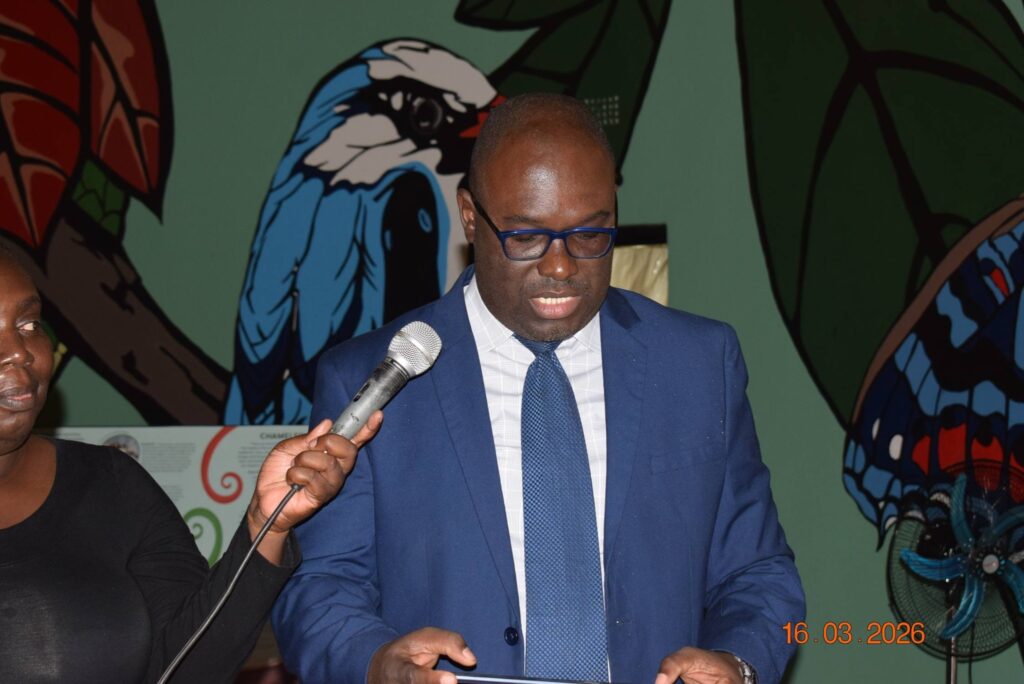
Opening the workshop, Acting Director of DNPW, Mr. Jones Masonde, described the event as a defining moment for Zambia’s conservation journey. He reflected on the devastating poaching of the 1980s and 1990s, which brought black rhinos to the brink of extinction in the country.
“There was a time when Zambia lost its rhinos,” he said. “Today, we are not only protecting them, we are rebuilding their future.”
Mr. Masonde highlighted key achievements, including the successful reintroduction of black rhinos in North Luangwa National Park and the introduction of white rhinos in Mosi-oa-Tunya and Lusaka National Parks. These initiatives, he noted, are contributing to enriched tourism experiences and creating local economic opportunities.
However, he cautioned that poaching remains an evolving threat, stressing the need for strengthened surveillance, sustainable financing, and robust biological management systems to ensure long-term success.
“The outcomes of this workshop have the potential to shape a new chapter in our conservation story – one that ensures future generations inherit a thriving and resilient wildlife heritage,” Mr. Masonde added.
He called on stakeholders to think beyond immediate conservation needs, emphasising that rhino protection should also drive tourism growth, create jobs, and uplift communities.