SADC Officials Tackle Trade, Food Security and Infrastructure Challenges at Pretoria Meeting
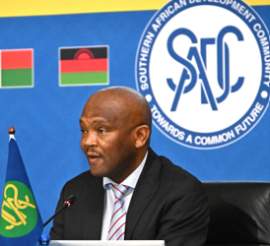
Senior officials from across the Southern African Development Community (SADC) convened in Pretoria on Saturday, March 7, 2026, to address pressing issues around trade, food security, and infrastructure as part of efforts to accelerate regional integration and economic development.
Opening the meeting of the SADC Standing Committee of Senior Officials, Ambassador Tebogo Seokolo, Deputy Director-General: Africa Branch at the Department of International Relations and Cooperation and Chairperson of the Committee, urged delegates to confront “uncomfortable realities” and ensure that policy commitments translate into tangible improvements in people’s lives.
The meeting, held under the theme ‘Advancing Industrialisation, Agricultural Transformation and Energy Transition for a Resilient SADC’, comes amid a global environment marked by geopolitical tensions, economic volatility, climate-related shocks, and disruptions to supply chains.
Ambassador Seokolo stressed that senior officials play a critical role in implementing regional commitments through sound policies, results-based planning, and sustainable financing. Key agenda items include the financial status of the regional bloc, the Resource Mobilisation Framework, and operationalisation of the SADC Regional Development Fund.
Delegates are reviewing progress on decisions taken by the Council of Ministers and the SADC Summit, with a focus on food and nutrition security, disaster risk management, and pandemic preparedness. Institutional and governance matters are also being addressed to enhance the effectiveness of SADC, including guidelines for processing cooperation agreements and improving communication and visibility of the bloc.
Central to discussions is the Mid-Term Review of the Regional Indicative Strategic Development Plan, guiding development priorities between 2020 and 2030. Officials highlighted the need to identify high-impact regional priorities to unlock economic growth, strengthen climate resilience, accelerate industrialisation, and improve infrastructure connectivity, with detailed planning scheduled for a technical workshop in June.
Seokolo also addressed challenges that continue to hinder regional development, including low intra-regional trade at 23%, manufacturing contributing only 11% to GDP, logistical bottlenecks such as the 15 days and 22 hours required for goods to travel from the Port of Durban to the Kasumbalesa border and persistent food insecurity affecting 58 million people.
“These are very uncomfortable questions, but leadership is about discomfort. If we are to realise the aspirations of regional integration, we must move faster, work smarter together, and ensure our decisions translate into tangible improvements for the people of our region,” Seokolo said.
The Standing Committee of Senior Officials is expected to present recommendations to the SADC Council of Ministers, which will convene in Pretoria next week to consider next steps for advancing regional development.