Reducing Post-Harvest Losses: A Policy Reform Zambia Cannot Ignore
Zambia’s agricultural challenge is not only about producing more food, but about losing too much of what is already produced. Each year, an estimated 30–40% of fruits and vegetables are lost after harvest, before they reach consumers. This loss represents wasted food, reduced farmer incomes, missed youth employment opportunities, and weakened national development outcomes.
Causes of Post-Harvest Losses
According to the Food and Agriculture Organization (FAO), post-harvest losses are highest in perishable horticultural crops, largely due to poor handling, inadequate storage, weak transport systems, and limited processing capacity. Horticulture is a growing sub-sector in Zambia, particularly in districts such as Mumbwa, Chongwe and Lukulu, which supply vegetables and fruits to Lusaka and surrounding urban markets. However, evidence shows that despite increased production, a significant share of produce never reaches the market in usable condition.
The World Bank notes that inefficiencies along agricultural value chains in Zambia, especially storage, aggregation, and logistics, continue to reduce the sector’s contribution to income growth and job creation. Between 2019 and 2023, Zambia’s horticultural output steadily increased, yet post-harvest loss rates remained largely unchanged, averaging over 30% annually. This means that for every 10 tonnes harvested, about 3 tonnes are lost before sale or consumption.
Implications for Nutrition and Livelihoods
Post-harvest losses have serious implications for nutrition outcomes. Fruits and vegetables are key sources of vitamins and micronutrients, yet their scarcity and high prices limit access for many households. The Zambia Demographic and Health Survey (ZDHS 2024) reports that 32% of children under five are stunted, reflecting chronic malnutrition. Reducing post-harvest losses would increase the availability of nutritious foods without increasing production costs.
Agriculture remains the backbone of rural livelihoods, employing over 70% of Zambia’s rural population, yet youth unemployment remains high. According to the Indaba Agricultural Policy Research Institute (IAPRI), young farmers and agripreneurs lose 20–30% of potential income due to spoilage, delayed market access, and lack of value addition.
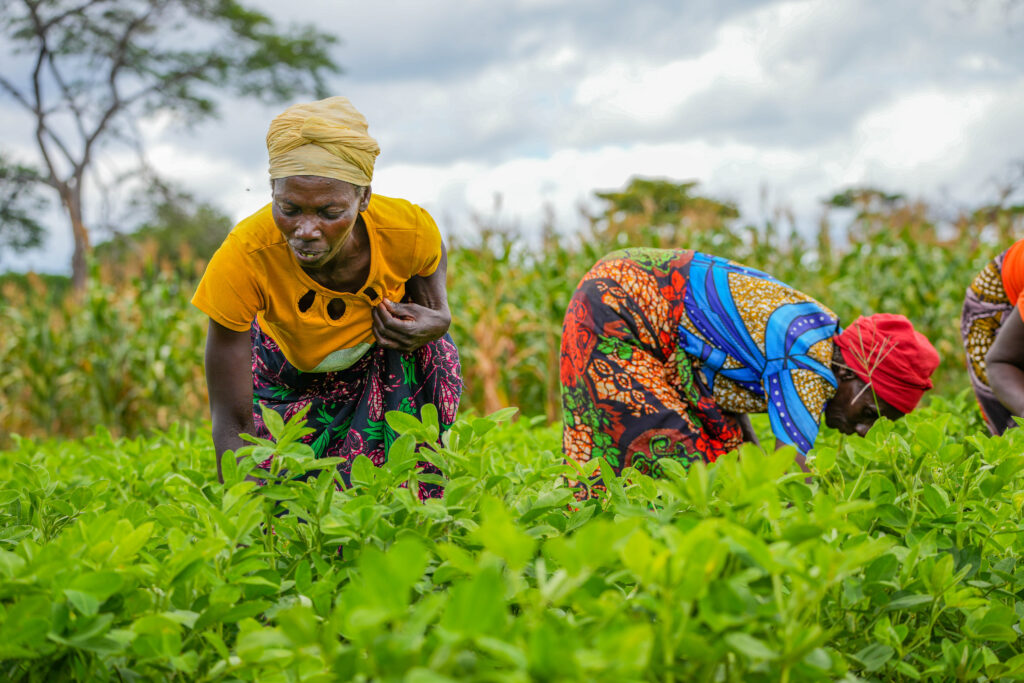
In rural areas, many young people engage in horticultural farming, but without access to cold storage, processing facilities, or organized markets, they are forced to sell produce at low prices or absorb total losses. This discourages youth participation and reinforces the perception that agriculture is unprofitable.
Current Efforts and Policy Gaps
Some progress has been made. Government extension services and NGOs have promoted improved handling practices, while small-scale processing initiatives exist. However, these efforts remain fragmented and under-scaled.The Ministry of Agriculture continues to prioritize production support, yet investments in post-harvest infrastructure remain limited, especially at district level.
This policy imbalance means Zambia produces more food, but continues to lose a significant portion of it. To address this challenge, Zambia must reform its agricultural policy framework to deliberately prioritize post-harvest loss reduction, with youth at the center of implementation. Evidence from other African countries shows that improved storage and youth-led innovations can reduce post-harvest losses by 25–30%, while significantly increasing farmer incomes.
If losses in horticultural crops were reduced from approximately 35% to 15%, the country would preserve an estimated 20,000–30,000 tonnes of produce annually, instead of losing nearly 50,000 tonnes each year. This additional produce would translate into millions of kwacha in increased income for farmers, particularly smallholders and youth, through higher marketable volumes and reduced distress sales.
The Case for Reform and Youth-Led Solutions
Beyond income, improved post-harvest management would increase the availability and affordability of fruits and vegetables, strengthening food security and nutrition outcomes and supporting efforts to reduce malnutrition. By focusing on storage, processing, and youth-led agribusinesses, Zambia can create jobs while maximizing existing production rather than increasing costly inputs.
Reducing post-harvest losses is not just an agricultural reform, it is a strategic investment in Zambia’s economic resilience and future development.
By Inambao Kamayoyo is a Nutritionist Graduate, a Research Fellow at the Impact Center for Policy Research. He is also a participant of the Policy Reform Colloquium.