SADC Validates Proposed Mining Protocol Amendments to Strengthen Governance
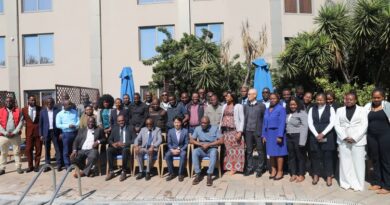
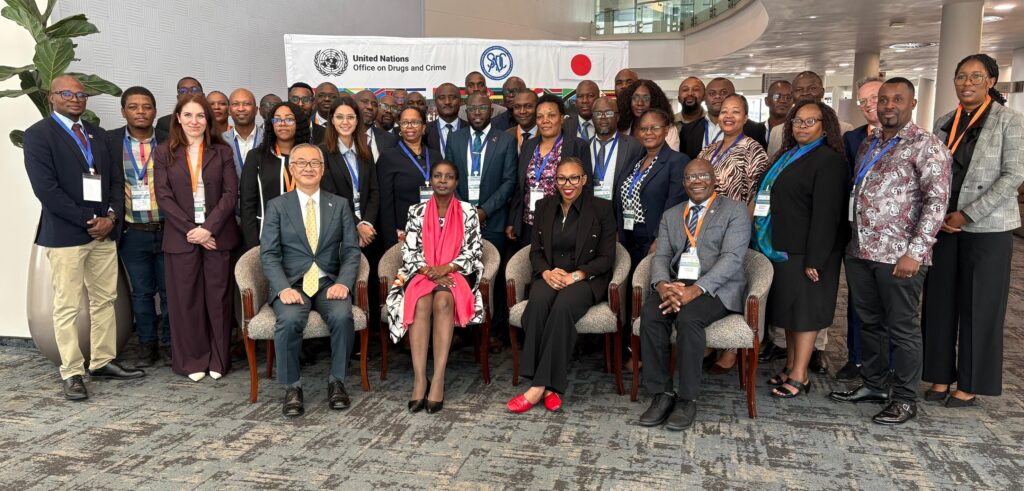
The Southern African Development Community (SADC) Secretariat, with support from the United Nations Office on Drugs and Crime (UNODC), convened a two-day Regional Validation Workshop on proposed amendments to the SADC Protocol on Mining.
The event, held on 19–20 February in Johannesburg, brought together representatives from SADC Member States, the UNODC, the United Nations Economic Commission for Africa (UNECA), and the Mining Industry Association of Southern Africa (MIASA).
The workshop follows regional consultations held in Gaborone, Botswana, in September 2025, which reviewed draft amendments and identified priority areas to strengthen governance of the mining sector. Discussions aimed to build consensus across Member States, ensuring the revised Protocol reflects contemporary legal, institutional, and governance needs.
Since its adoption in 2000, the mining landscape in Southern Africa has evolved significantly. The revision seeks to align the Protocol with current regional frameworks, including the revised SADC Treaty, the Regional Mining Vision, the Regional Indicative Strategic Development Plan, and the SADC Industrialisation Strategy and Roadmap.
The amendments also address the global transition from fossil fuels to renewable energy and its implications for the region’s mineral sector.
In his opening remarks, Mr Calicious Tutalife, SADC Secretariat Senior Programme Officer for Value Chains, stressed that the revision was long overdue. “SADC is endowed with some of the world’s most precious mineral deposits, and legal instruments must respond to global developments for the benefit of our people,” he said, acknowledging the support of international partners, including Japan.
Ambassador Fumio Shimizu of Japan reaffirmed his country’s commitment to supporting sustainable mineral development and the rule of law in SADC. He noted that strengthening governance across the mineral value chain is critical for sustainable economic growth, environmental protection, and the well-being of regional citizens.
Ms Ntokozo Nzimande, Deputy Director-General at South Africa’s Department of Mineral Resources and Energy, urged participants to translate discussions into tangible outcomes that improve citizens’ lives.
Ms Jane Marie Ong’olo, UNODC Regional Representative, highlighted the urgency of addressing criminal infiltration in mineral supply chains, pointing to projected global demand for critical minerals reaching 41 million tonnes by 2040.