Solar Energy Brings Reliable Power to Nigerian Universities
Eight Nigerian federal universities are now benefiting from reliable, clean electricity following the installation of 36.5 megawatts of solar hybrid power systems financed by the African Development Bank Group under Phase III of the Energising Education Programme.
At the Federal University of Lafia in Nasarawa State, the new solar hybrid plant is already transforming campus life by powering classrooms, laboratories, offices and student facilities. Frequent power outages and high electricity costs have been significantly reduced since the system became operational.
Vice Chancellor Professor Shehu Abdul Rahman said the university had previously spent about ₦25 million, equivalent to 17,000 US dollars, each month on unreliable electricity. He said the intervention has allowed the institution to redirect resources towards research and other academic priorities. Reliable power, he noted, is essential for effective teaching, learning and scientific work.
The Lafia installation is one of eight solar hybrid stations being deployed across federal universities, including the University of Port Harcourt and its teaching hospital, Federal University Dutsin Ma, Modibbo Adama University in Yola, Federal University Lokoja, Federal University of Technology Akure, Federal University of Technology Owerri, and Federal University of Uyo.
Together, the projects will generate enough electricity to operate eight universities and one teaching hospital continuously. This output is comparable to powering more than 30,000 Nigerian homes each year. The systems integrate solar photovoltaic generation, battery storage and backup support to ensure stability and resilience.
At the University of Port Harcourt, a 10.77 megawatt solar hybrid system has already reduced monthly electricity costs from approximately ₦150 million to ₦100 million since trial operations began in December 2025.
Vice Chancellor Professor Owunari Georgewill said the improved power supply has enhanced campus security, reduced operating costs and created a safer learning environment. He added that the university is committed to ensuring the project’s long term sustainability.
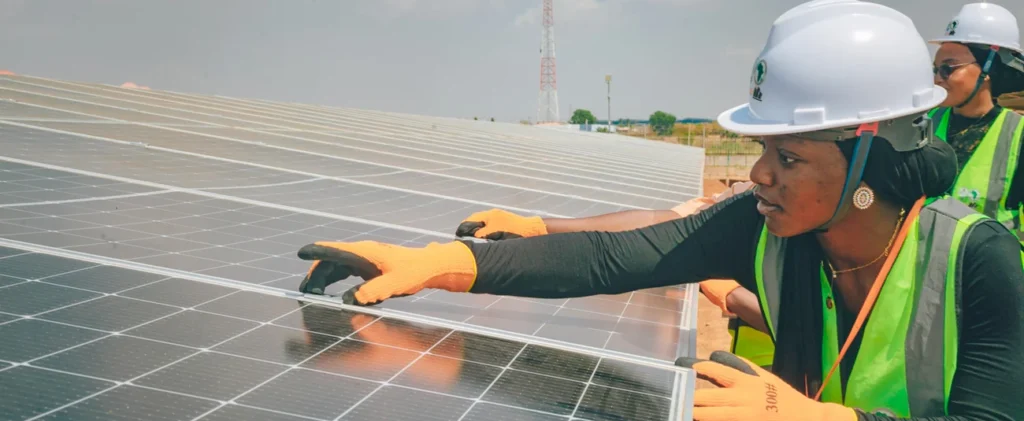
Beyond improving electricity access, the programme is strengthening skills development. Renewable energy workshops and training centres have been established at participating universities, with around 160 female STEM students receiving hands on technical training. Hundreds more students are gaining practical exposure to renewable energy technologies.
Phase III of the Energising Education Programme is expected to benefit more than 180,000 students and staff, install over 5,300 smart meters and deploy more than 2,500 solar powered streetlights. The initiative is also significantly reducing reliance on diesel powered generators.
The programme contributes to Mission 300, a joint initiative of the African Development Bank Group and the World Bank aimed at expanding electricity access to 300 million people across Africa by 2030. The project highlights how targeted energy investments can support education, healthcare, research and workforce development.