Uganda Paves the Way for a Just and Sustainable Transport Future
Uganda is laying the groundwork for a just and sustainable transition in its transport sector, ensuring that economic transformation does not come at the expense of livelihoods or opportunities.
The Uganda Just Transition Framework (2025), developed by the National Planning Authority (NPA) with support from the Climate Investment Funds (CIF) and the African Development Bank (AfDB), provides the national blueprint for inclusive structural change. It sets out how government, communities, and development partners can work together to ensure no one is left behind.
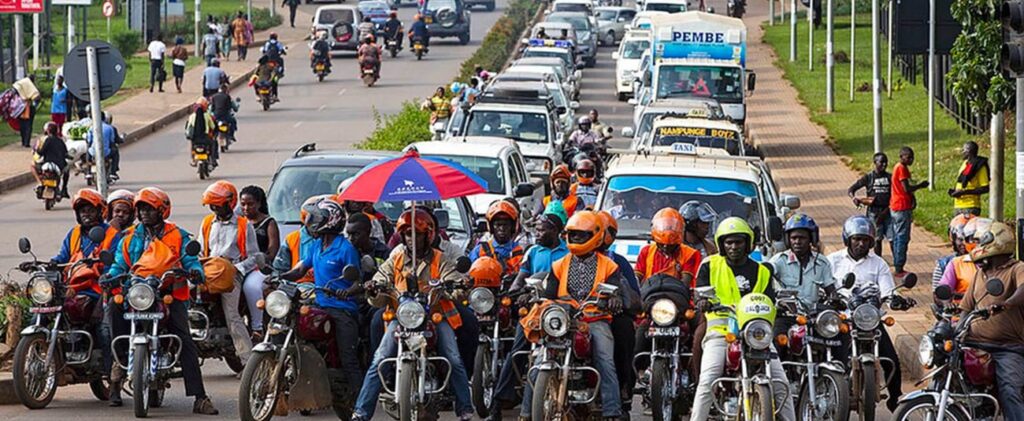
A recent transport sector study, conducted by AfDB in partnership with the Ministry of Works and Transport and CIF, demonstrates how the framework could be applied in practice. The study assessed the potential impacts of introducing cleaner mobility options, such as electric motorcycle taxis and minibuses, on jobs, incomes, gender equity, and community welfare.
The framework requires a thorough risk assessment, mapping vulnerable groups including women traders, youth riders, informal workers, and small repair businesses. Planners also consider effects on access to services, land use, and local government revenues. Broad stakeholder engagement ensures communities shape priorities, identify risks, and co-design mitigation measures.
Based on the findings, targeted support strategies may include skills training, access to credit for small operators, gender-inclusive measures, and protections for communities affected by new infrastructure. All measures will be incorporated into a Just Transition action plan, aligned with Uganda’s national planning and budgeting processes to ensure sustainability and accountability.
This initiative highlights the ongoing collaboration between CIF and AfDB, leveraging decades of experience in financing infrastructure, energy, and social development in Uganda. The partnership aims to equip Uganda to manage sector transitions effectively, with inclusive, data-driven, and socially equitable outcomes.