
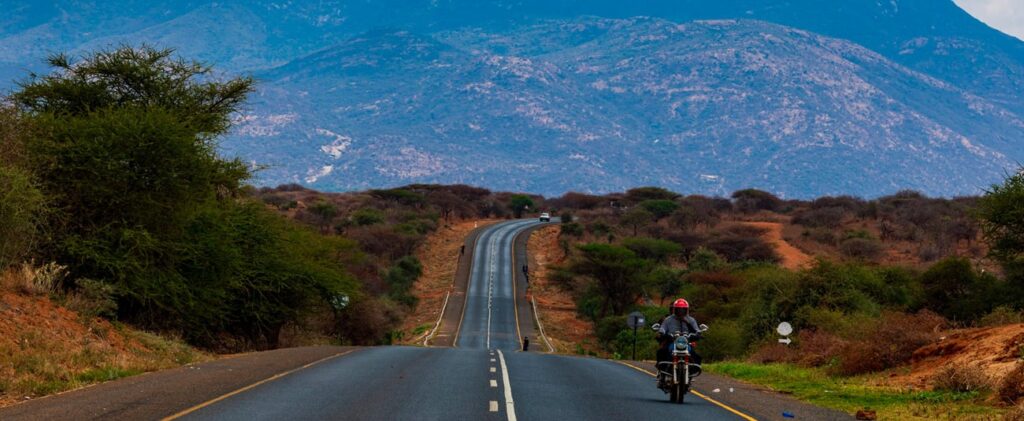
AfDB Approves US$98 Million to Complete Key Road Project in Western Tanzania
The African Development Bank (AfDB) Group has approved the reallocation of US$98 million in savings to finance the completion of a major road project aimed at strengthening regional connectivity in western Tanzania.
The decision, approved by the Bank’s Boards of Directors on 10 December 2025, allows funds saved from the completed Transport Sector Support Programme to be redirected to the Bulamata–Uvinza Road Upgrading Project (Lot B).
The project has a total cost of US$129 million, with the AfDB contributing US$98.17 million, including US$22.64 million from the African Development Fund, its concessional financing window.
The project involves upgrading the Bulamata–Msombwe road to bitumen standard and constructing a 250-metre bridge over the Malagarasi River. It also includes a rail overpass, connecting roads, and community infrastructure such as markets, solar street lighting, boreholes and parking facilities.
Once completed, the upgraded road will link to the 342.9-kilometre Tabora–Koga–Mpanda Road, creating a strategic corridor connecting Mpanda District to the Central Corridor railway and the Port of Dar es Salaam. The route is expected to enhance western Tanzania’s access to national markets and expand cross-border trade with Uganda, Kenya and South Sudan.
AfDB’s Division Manager for Transport in East Africa, Zerfu Tessema, said closing the remaining gap along the corridor would significantly improve access to essential services and boost regional competitiveness. He noted that the project would make the movement of people and goods faster and safer.
The upgraded corridor is expected to reduce travel time by more than half, improving reliability and safety, particularly during the rainy season. Communities along the route will benefit from improved access to schools, health facilities and administrative centres.
Enhanced market access for agricultural produce such as coffee, bananas, maize and groundnuts is expected to increase farmer incomes, while improved connectivity is likely to stimulate growth in tourism, mining, fisheries and agro-processing across the Kigoma and Katavi regions. The project is also expected to support women’s economic empowerment by improving access to jobs and markets.