
AfDB Approves $33.64m Investment to Boost Healthcare Skills in Rwanda
The African Development Bank Group has approved a $33.64 million investment to enhance healthcare skills development and innovation in Rwanda, aimed at strengthening the country’s health system and preparing a future-ready workforce.
The financing includes $29.85 million approved by the Bank Group’s Board of Directors for Phase II of Rwanda’s Centre of Excellence for Biomedical Engineering and e-Health Project. Of this amount, $24.64 million will be provided by the African Development Fund, the Bank Group’s concessional lending arm, while a further $5.21 million will come from the African Development Bank. The Government of Rwanda will contribute the remaining funds.
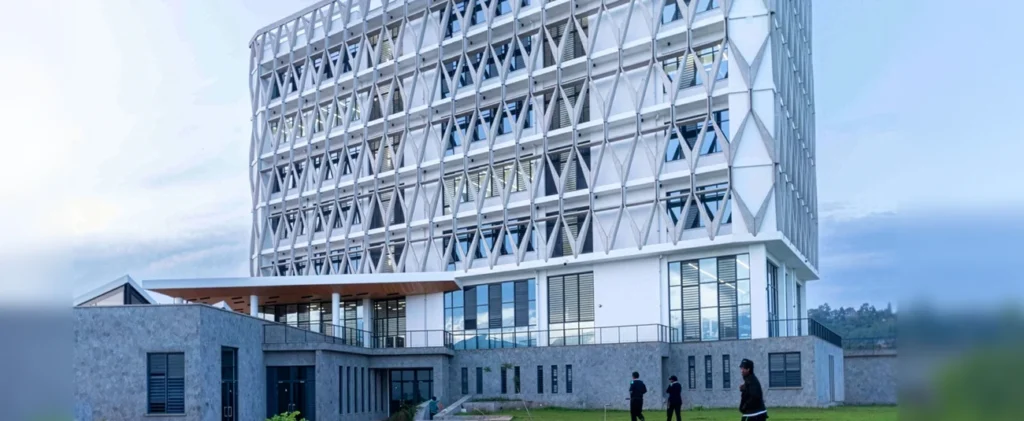
The project will expand and upgrade the Centre of Excellence, located within Kigali Innovation City, a growing technology and innovation hub in the capital. Planned interventions include the enhancement of academic programmes, expanded student training, stronger linkages with the private sector, the construction of new facilities such as modern laboratories, and the procurement of advanced biomedical and digital health equipment.
Building on the successful implementation of Phase I, the second phase of the project will directly train 470 students at bachelor’s and master’s degree levels in biomedical engineering, rehabilitation and mobility sciences, and digital health. The majority of beneficiaries will be young people from Rwanda and other East African Community countries.
In addition, academic staff from the University of Rwanda will receive PhD and post-doctoral training to ensure the long-term quality and sustainability of teaching and research.
The project will also support curriculum reform, accreditation and collaborative research with leading international institutions. Regional integration will be strengthened through student and faculty exchanges, joint research initiatives, regional knowledge-sharing events and entrepreneurship support programmes involving other Regional Centres of Excellence.
A key innovation under Phase II is the establishment of a Biomedical Innovation Park, which will provide a platform for students, researchers and private companies to design, test and produce health technologies tailored to local and regional needs.
Beyond academic benefits, the wider healthcare system is expected to gain significantly. Hospitals and clinics will have access to locally trained specialists capable of installing, maintaining and repairing medical equipment, reducing reliance on imported expertise, shortening treatment delays and lowering healthcare costs.
Communities in both rural and urban areas are also expected to benefit from improved access to quality healthcare services. The use of digital health solutions and telemedicine will make it easier to reach patients in remote locations, while improved skills and technologies are expected to support better diagnosis, safer treatment and stronger health services nationwide.
During the construction phase, the project is expected to create hundreds of short-term jobs, largely for young people. Over the long term, it is anticipated to stimulate the growth of health technology businesses, attract research funding and generate skilled employment opportunities.
“This project will equip our young people with world-class skills while bringing better health services closer to families. It is an investment in talent, innovation and the wellbeing of our communities,” said Hendrina Doroba, the African Development Bank Group’s Manager for Education and Skills Development.
Following its approval on 9 January 2026, the project will be implemented by the Government of Rwanda through the University of Rwanda and will run until 2030. It aligns with Rwanda’s long-term vision of building a knowledge-driven economy and a resilient, inclusive healthcare system.