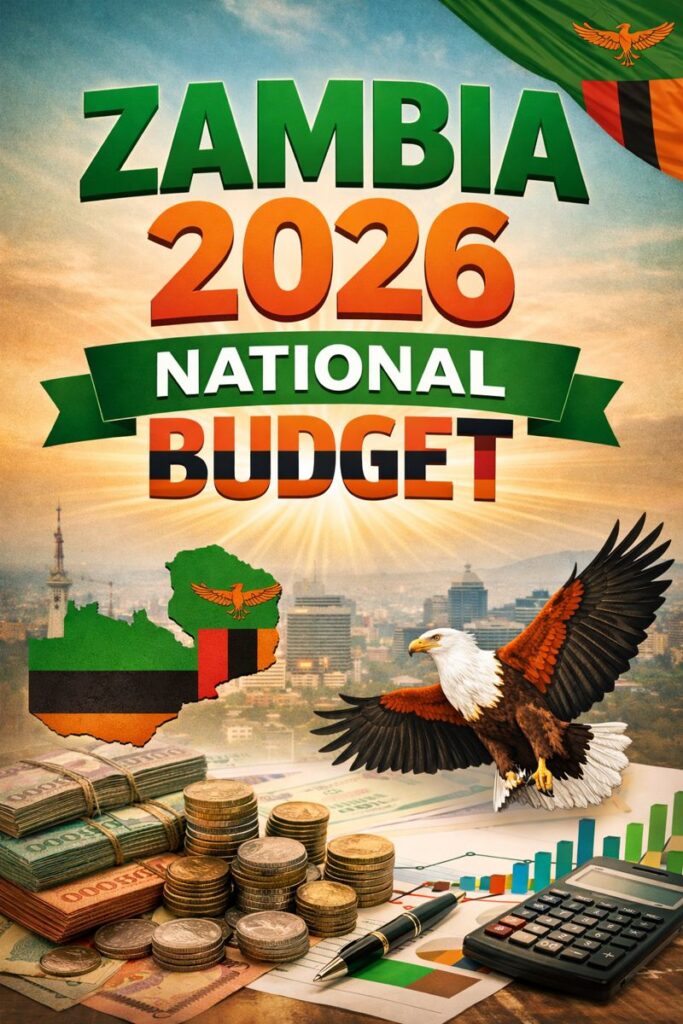
2026 National Budget Meet Ground Realities
The early implementation phase of the 2026 National Budget is a critical test of Zambia’s fiscal credibility and policy consistency.
At this stage, markets are less concerned with headline allocations and more focused on how spending, revenue mobilisation and financing decisions are executed in practice.
Expenditure execution will be closely examined to assess whether government spending follows stated priorities or reverts to pressures that undermine fiscal consolidation.
The sequencing and discipline of spending matter, particularly in avoiding front-loading that could strain liquidity conditions or fuel inflationary pressures.
On the revenue side, the key issue is quality rather than speed. Markets will be watching whether revenue mobilisation efforts are broad-based and efficiency-driven, rather than relying on measures that could dampen private sector activity or weaken compliance over time.
Financing strategies are equally important. Signals around domestic borrowing, maturity profiles and reliance on non-inflationary funding sources will shape expectations for interest rates, credit availability and exchange rate stability.
Effective liquidity management by both fiscal and monetary authorities will be essential in maintaining macroeconomic balance.
Finally, the credibility of the 2026 Budget will ultimately depend on whether fiscal consolidation is balanced with growth.
Clear prioritisation of productive sectors particularly agriculture, manufacturing, mining value addition and infrastructure will determine whether the budget supports long-term economic resilience rather than short-term stability alone.
In essence, early budget execution is setting the tone. Consistency between policy commitments and implementation will be decisive in sustaining investor confidence and reinforcing Zambia’s macroeconomic stability in 2026.