Five Years Left to End AIDS: Urgent Action Needed
As 2026 begins, the world faces a critical milestone with only five years remaining to achieve the global commitment of ending AIDS by 2030 under Sustainable Development Goal 3. Ensuring zero new HIV infections and supporting all people living with HIV to remain healthy is essential to reach this target.
According to UNAIDS, in 2024 around 40.8 million people were living with HIV globally, yet only 31.6 million were on lifesaving antiretroviral therapy (ART). Alarmingly, 1.3 million people were newly infected and 630,000 died from AIDS-related illnesses in the same year—figures that are preventable with proven science-based interventions.
Communities of people living with and affected by HIV have long led the charge, promoting combination prevention for those who are HIV negative and supporting those on treatment to achieve viral suppression, a state that prevents further transmission (commonly referred to as undetectable = untransmittable, or #UequalsU).
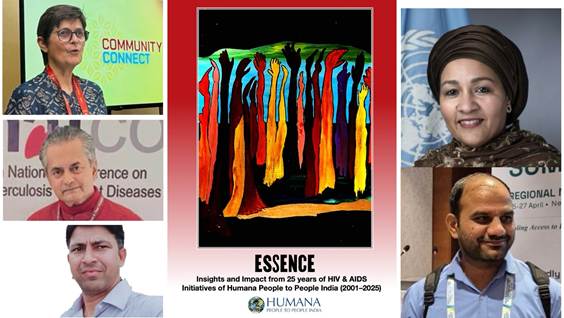
Amina Mohammed, United Nations Deputy Secretary-General, has emphasised that ending AIDS is achievable but requires resources to match ambition. She warned that debt and financial pressures on low- and middle-income countries are limiting governments’ ability to prioritise HIV, education, and health.
In India, Humana People to People has documented 26 years of work supporting communities affected by HIV, including key populations such as sex workers, transgender people, migrants, young people, and pregnant women. Their efforts have reduced stigma, discrimination, and gender-based violence while improving access to lifesaving ART and health services. Today, over 1.8 million people in India receive free treatment.
Experts stress that ending AIDS requires addressing social, cultural, and economic vulnerabilities alongside healthcare access. Gender-based violence, criminalisation, homelessness, and stigma remain significant barriers to achieving this goal.
With the 26th International AIDS Conference set for July 2026 and the United Nations High-Level Meeting on AIDS later in the year, global HIV efforts are at a crossroads. While remarkable progress has been made, renewed commitment is needed to ensure governments and programmes #PutPeopleFirst and accelerate action to end AIDS.