
Trade Reforms Open New Markets for Zambian Farmers
Zambia is witnessing a quiet but meaningful transformation as a new generation of farmers and entrepreneurs begins to reap the benefits of improved trade facilitation and market access.
Despite being richly endowed with natural resources and a youthful population, Zambia continues to face high levels of poverty and inequality. Agriculture, however, is emerging as a powerful engine for inclusive growth, driven by businesses determined to compete beyond national borders.
At the centre of this shift is Scimitar Farms, a commercial producer of flowers and fruit supplying international markets including the United Kingdom and the Netherlands. According to Natalie Stephenson-Machona, Sales Director at the company, export-oriented agriculture offers enormous potential, but only if trade barriers are reduced.
“For businesses like ours to grow, we need smoother and faster access to overseas markets,” she said, noting that fresh produce must reach buyers quickly after harvest to retain value.
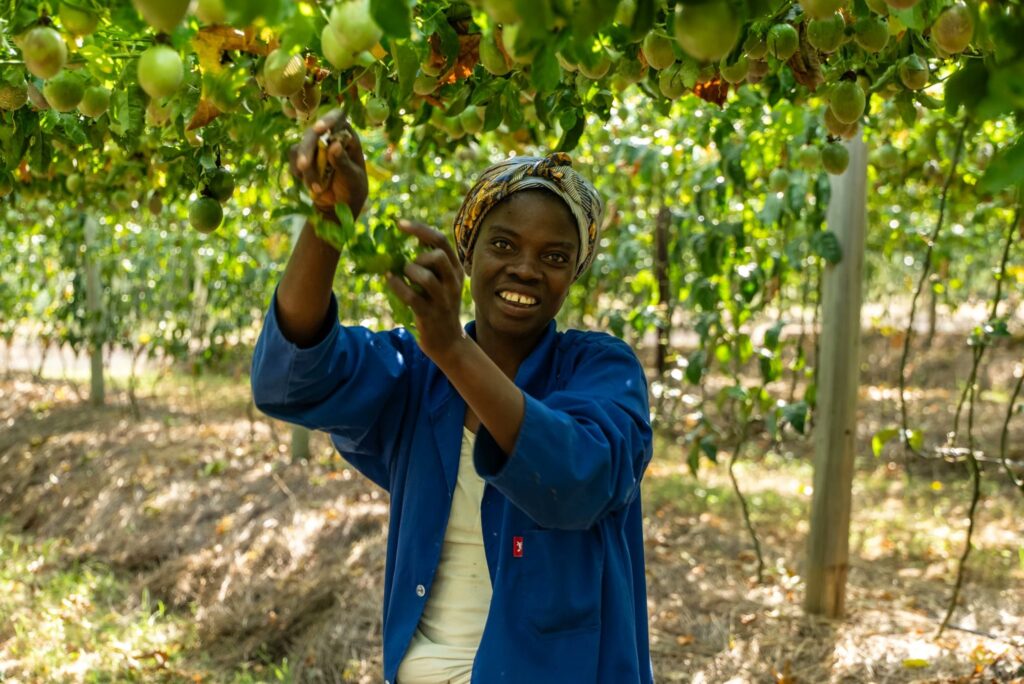
Scimitar Farms employs more than 300 Zambians, the majority of them women, contributing directly to rural livelihoods and local economic development.
The World Bank, working with the Zambian Government, is supporting reforms aimed at improving access to regional and international markets. These efforts include modernising border infrastructure, digitising regulatory processes and strengthening compliance with global trade standards.
Zambia’s strategic location is also playing a growing role. At the Kazungula Border Post, which links Zambia and Botswana, upgraded facilities and a one-stop border model have dramatically increased efficiency.
“We used to clear about 80 trucks a day. Now we clear close to 280,” said Vincent Zgambo, Station Manager at the border. “Reduced waiting times lower the cost of doing business, benefiting traders and the wider economy.”
Aligning agricultural exports with international requirements remains critical. Dr Kenneth Masiska, Director of the Plant Quarantine and Phytosanitary Service at the Ministry of Agriculture, emphasised that compliance is essential for competitiveness.
“Agriculture is central to employment, food security and trade. Meeting international standards is non-negotiable,” he said.
With World Bank support, Zambia is rolling out electronic phytosanitary certificates (ePhytos), a system expected to improve efficiency, transparency and reduce export costs.
Inspectors on the ground, including Brenda Mweemba, say the reforms are helping traders better navigate the complex demands of international markets, while ensuring product safety and quality.
Across farms such as Chiutsi Farm, where women make up nearly 80 per cent of the workforce, improved trade access is translating into job creation and stronger household incomes.
“These businesses provide employment that strengthens food security and supports the economy,” Mweemba noted.
As Zambia continues to modernise its trade systems and border infrastructure, agriculture is emerging as a catalyst for sustainable development. With continued reforms and international support, the country’s farmers and entrepreneurs are positioning themselves to cultivate lasting prosperity.