
20MW Solar Project to Reduce Power Cuts in Lusaka Communities
Kiyona Energy Limited, a subsidiary of ZESCO, is spearheading a major solar initiative in Lusaka, signalling a significant step towards Zambia’s goal of generating 1,000MW of solar electricity.
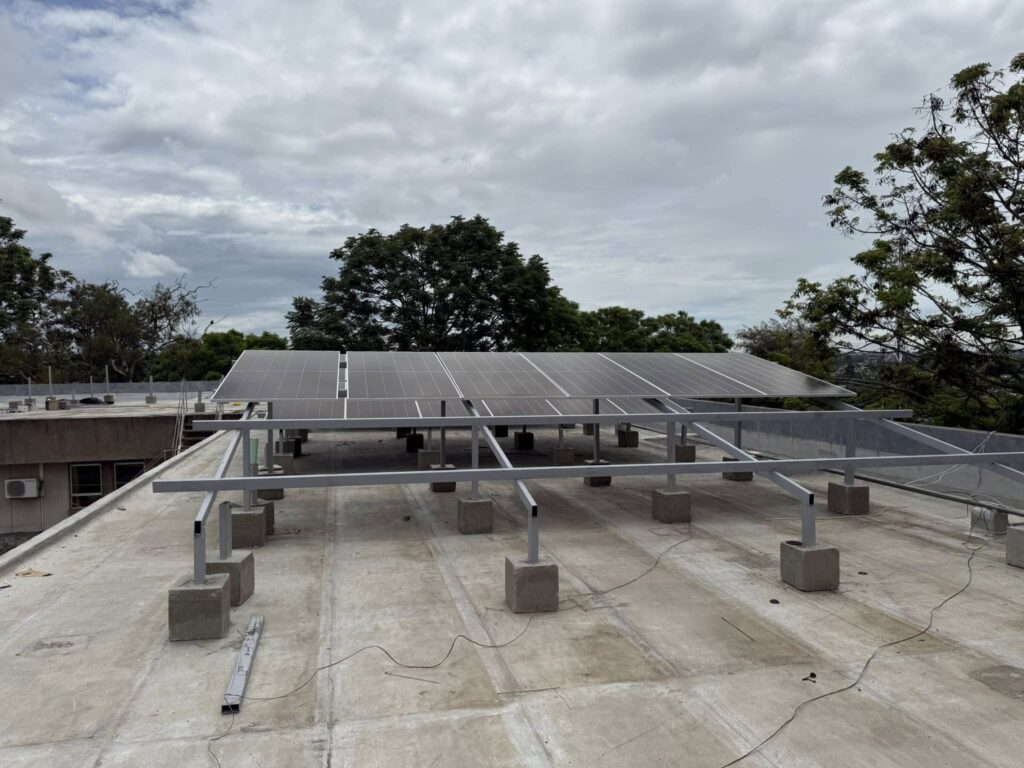
On a quiet Friday afternoon, the distant rumble of excavators working through a field of trees at the Natural Resources Development College (NRDC) site hints at the arrival of a 20MW solar PV project.
“This 20-hectare site has been provided by the Ministry of Agriculture through NRDC. We hope to complete the 20MW solar plant by February 2026,” says Eng. Clement Siame, Chief Executive Officer of Kiyona, in a calm and measured tone.
Through Kiyona, ZESCO aims to reduce citizens’ over-reliance on hydroelectric power, which has proven vulnerable during frequent droughts, including the severe 2024 drought that caused the country’s worst electricity shortfall to date.
“This technology is a game-changer,” said Eng. Justin Loongo, Managing Director of ZESCO, during a tour of the near-complete 50MW solar project in Mansa, Luapula Province. “We must harness the abundant sunlight available across the country rather than relying solely on hydro.”
Beyond the NRDC project, Kiyona is advancing its Greening Cities, Greening Markets, and Greening Homes initiatives through its Electricity-as-a-Service model. Under this programme, Kiyona installs solar equipment in homes at no cost to the homeowner, who continues to pay only their regular electricity bill. Any excess power generated is fed back into the national grid to benefit other customers.
In Lusaka’s Silverest and ZAF communities, the Greening Homes initiative targets a minimum of 5MW of solar power at each location. In Silverest, 600 homes are expected to generate 3MW, also supporting surrounding households. Plans are underway to expand to 5,000 homes in Kwamwena, followed by Salama Park and Woodlands.
“This strategy tackles load shedding at the household level, where its impact is most severe. By reducing reliance on grid power in as many homes as possible, we ease the burden on citizens,” explained Eng. Siame.
Beneficiaries, such as university lecturer and Bank of Zambia retiree Kennedy Chisha, have expressed their delight. “Children can now study uninterrupted, and I can work remotely without worrying about electricity shortages,” he said.
Kiyona is also targeting strategic institutions. The National Assembly now hosts a solar installation expected to generate 1MW, enough to supply both the Assembly and nearby residential areas. “Parliament is a symbol of power, and we want Members of Parliament to see that electricity can be generated anywhere,” Eng. Siame added.