
Equateur Province Brings Mpox Under Control
Equateur province in the Democratic Republic of Congo is celebrating a dramatic decline in mpox cases, thanks to a coordinated public health response and the solidarity of local communities.
In 2024, Equateur was among the hardest-hit regions during the mpox outbreak, recording 1,262 confirmed cases and 374 deaths – 36 per cent of the national total. Health workers at facilities such as the Mama wa Elikya centre faced daily challenges, balancing professional duty with fear of infection.
Monique Mulo Itala, a nurse and mother of five, recalls the anxiety of treating patients in isolation wards while protecting her own family.
The World Health Organisation (WHO) had declared mpox a public health emergency of international concern on 14 August 2024, following a surge in cases nationwide. Between January and November 2024, the country recorded 8,517 suspected cases, 1,439 confirmed infections, and 417 deaths.
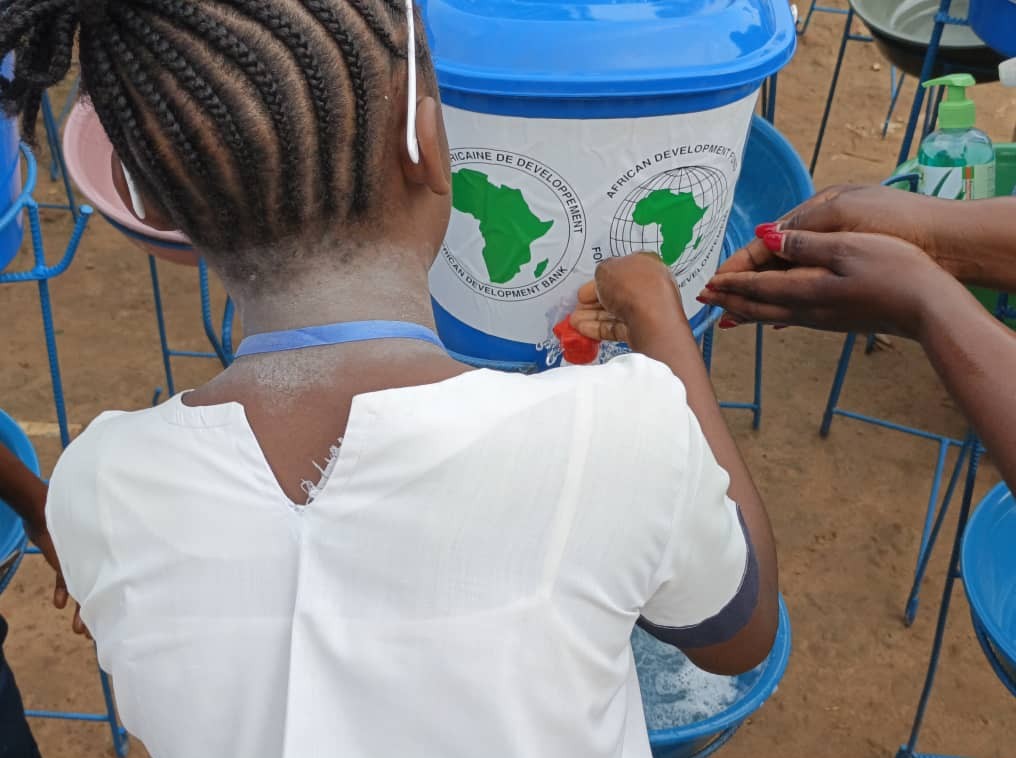
Support arrived through a partnership between the African Development Bank, WHO, and the Congolese government, under the Emergency Assistance Project to Combat Simian Smallpox. Funded with a $1 million grant, the project targeted frontline workers, high-risk populations, children, veterinarians, hunters, and traders. Its approach focused on early diagnosis, vaccination, infection prevention and control, and multi-sectoral coordination.
The results have been swift and significant. By October 2025, suspected cases were rapidly diagnosed, treated, and contacts systematically vaccinated. Confirmed mpox cases fell by 60 per cent in Equateur province, with just 14 deaths so far in 2025, compared with 417 in the same period the previous year. Over 1,400 people, including 3,718 frontline staff, have received vaccines.
Community outreach also played a key role. Teams visited villages and urban neighbourhoods, reaching over a million people with information on prevention, vaccination, and dispelling rumours. Health facilities were strengthened with upgraded laboratories in Mbandaka, Ingende, and Bikoro, thousands of infection prevention kits, and 4,800 GeneXpert cartridges for rapid diagnosis.
Monique says the changes have transformed the working environment: “We were relieved when the vaccines arrived. They enabled us to protect ourselves and our families. We’re no longer afraid to see our patients because our bodies have developed antibodies against mpox.”
Equateur province now stands more resilient, with better-trained staff, improved health infrastructure, and communities better prepared for future epidemics. Fear has given way to hope, with local leaders and health workers urging vaccination as a vital step in protecting public health.
“As health workers, we are telling the community that to vaccinate is to protect yourself. To vaccinate is to love,” Monique concludes.