
Health Ministry Raises Concern Over High TB Deaths in Zambia
The Ministry of Health has raised concern over the persistently high number of tuberculosis (TB)-related deaths in Zambia, with the disease claiming an estimated 5,000 lives each year, making it one of the country’s leading causes of death.
Speaking during a meeting convened to disseminate findings from the Tuberculosis End-of-Term Programme Review, Ministry of Health Permanent Secretary for Technical Services, Dr Kennedy Lishimpi, represented by Director of Public Health, Dr Matilda Kakungu Simpungwe, said TB remains among the top 10 causes of illness and death in Zambia.
Despite notable progress, Dr Lishimpi noted that Zambia is still ranked among the top 30 high TB burden countries globally. He highlighted that TB incidence has dropped significantly from 391 per 100,000 people in 2015 to 272 per 100,000 in 2024, while mortality has reduced from 115 per 100,000 to 38 per 100,000 over the same period.
“Although deaths have decreased, TB remains one of the deadliest diseases in the country,” he said.
Presenting the country’s epidemiological profile, Dr Mushota Kabaso of the National TB and Leprosy Programme revealed that 58 per cent of TB patients are at risk of falling into poverty due to indirect costs associated with the disease, despite free diagnosis and treatment.
External consultant Dr Nkem Chukwueme stressed that TB deaths far exceed those recorded during the COVID-19 pandemic. “In this day and age, it is unacceptable to have such a large number of people dying from TB. The country should consider declaring TB a public health emergency,” she said.
Stakeholders reviewed the effectiveness of existing interventions and agreed that progress made to date was driven by strong coordination, innovation, and resilience across national and sub-national levels. They also called for strengthened domestic funding, long-term private sector commitments, increased investment in TB preventive therapy, and sustained political support.
Participants further emphasised the importance of a multisectoral accountability framework involving ministries responsible for housing, social services, labour, mining, and internal security, noting that TB control depends heavily on addressing wider social determinants.
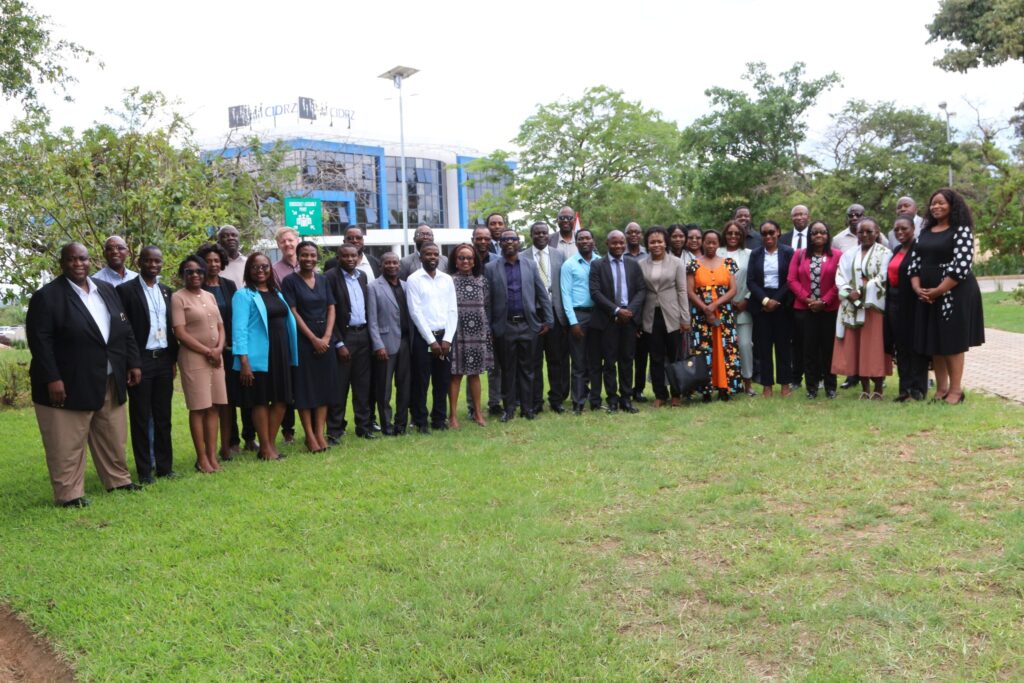
The review meeting brought together senior government officials, civil society, private sector representatives, and international partners to assess Zambia’s performance under the current TB strategic plan and progress towards eliminating TB by 2030. Lessons learned will guide the development of the 2027–2031 strategic plan.
Key partners present included the National TB and Leprosy Programme, the US Department of State, the CDC, the Global Fund, the World Health Organisation, and organisations such as CIDRZ, CHAZ, ZAMBART, ZATULET, KNCV, and the Healthcare Federation of Zambia.