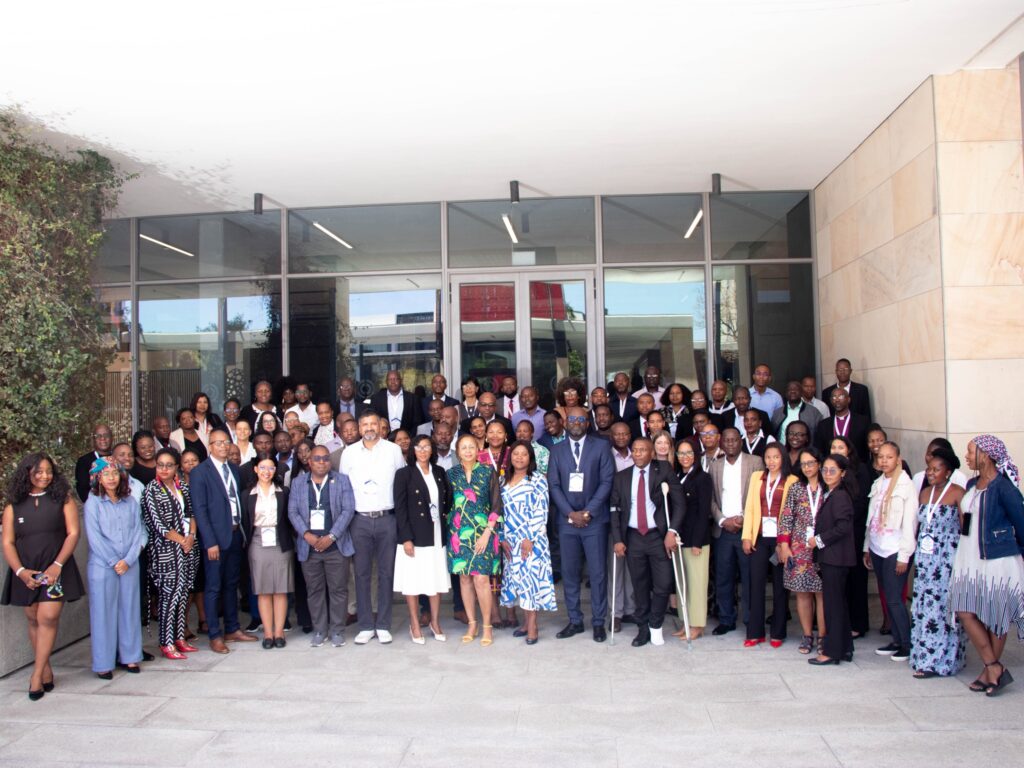
SADC Forum Boosts Efforts to Engage Men and Boys in Ending GBV and HIV
The Southern African Development Community (SADC), supported by the African Union Development Agency NEPAD and working with UNAIDS, UN Women, MIET Africa and Sonke Gender Justice, has concluded a four-day regional consultative forum focused on engaging men and boys as key partners in promoting gender equality and improving health outcomes.
Held in Cape Town from 25 to 28 November, the forum brought together government officials, civil society organisations, development partners and technical experts to discuss practical approaches for involving men and boys in preventing Gender Based Violence (GBV), reducing HIV infections and advancing Sexual and Reproductive Health and Rights (SRHR) across the SADC region.
The gathering aimed to build regional capacity to work with men and boys as transformative allies, addressing harmful social norms and contributing to the implementation of the SADC Boys and Young Men Vulnerability Framework. Participants exchanged good practices, innovative models and practical strategies for strengthening national and regional partnerships.
Speaking on behalf of South Africa as SADC Chair, Dr Nkhensani Nkhwashu of the South African National AIDS Council commended the organisers for prioritising gender and health issues. She highlighted progress made over the past decade, including 82 percent of people living with HIV now receiving treatment, a 57 percent decline in new infections since 2010 and significant improvements in maternal health.
These achievements reflect the impact of coordinated regional policies aligned with the SADC Regional Indicative Strategic Development Plan 2020 to 2030 and the African Union Agenda 2063.
Despite these gains, Dr Nkhwashu stressed that major challenges remain, including the high rate of new HIV infections among young people, with more than 3,000 youth infected each week in the region.
UNAIDS Regional Director Ms Anne Githuku Shongwe reminded participants that gender inequality, HIV and GBV are interconnected challenges that require bold and collective action. Citing findings from the World Health Organization, she noted that nearly one in three women worldwide has experienced physical or sexual violence, while rates in Eastern and Southern Africa remain higher.
She added that intimate partner violence increases a woman’s risk of acquiring HIV by approximately 50 percent.
Ms Githuku Shongwe stressed the need to involve men and boys as active agents of change. She explained that when they promote gender justice, communities experience lower levels of violence, families become more stable and prevention efforts become more effective.
SADC Senior Programme Officer for HIV and AIDS, Dr Lamboly Kumboneki, reaffirmed the Secretariat’s commitment to continuing this work as part of the 2025 16 Days of Activism Against Gender Based Violence Campaign. This year’s campaign theme, titled “Ending Digital Violence Against Women and Girls”, highlights the growing concern around online abuse.
Ms Kelly Dambuza Chifani from the SADC Gender Unit stated that the campaign period provides an ideal opportunity to strengthen the regional message on engaging men and boys in gender equality, GBV prevention, HIV response and SRHR advancement. She added that ending violence requires collective action from men and women as well as boys and girls.
The forum concluded with recommendations to strengthen policy implementation, expand partnerships and ensure that men and boys play an active role in improving gender equality and health outcomes in all SADC Member States.